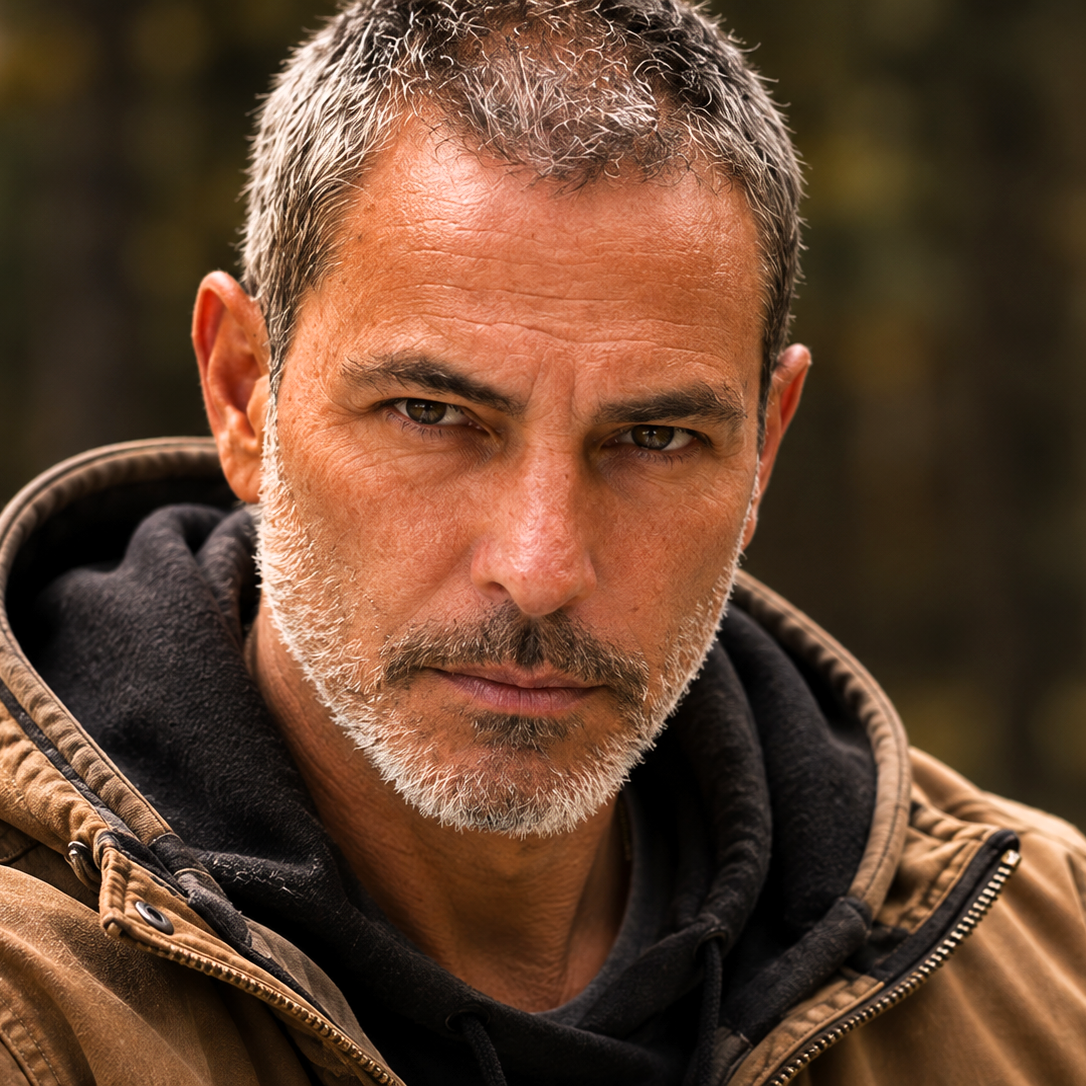
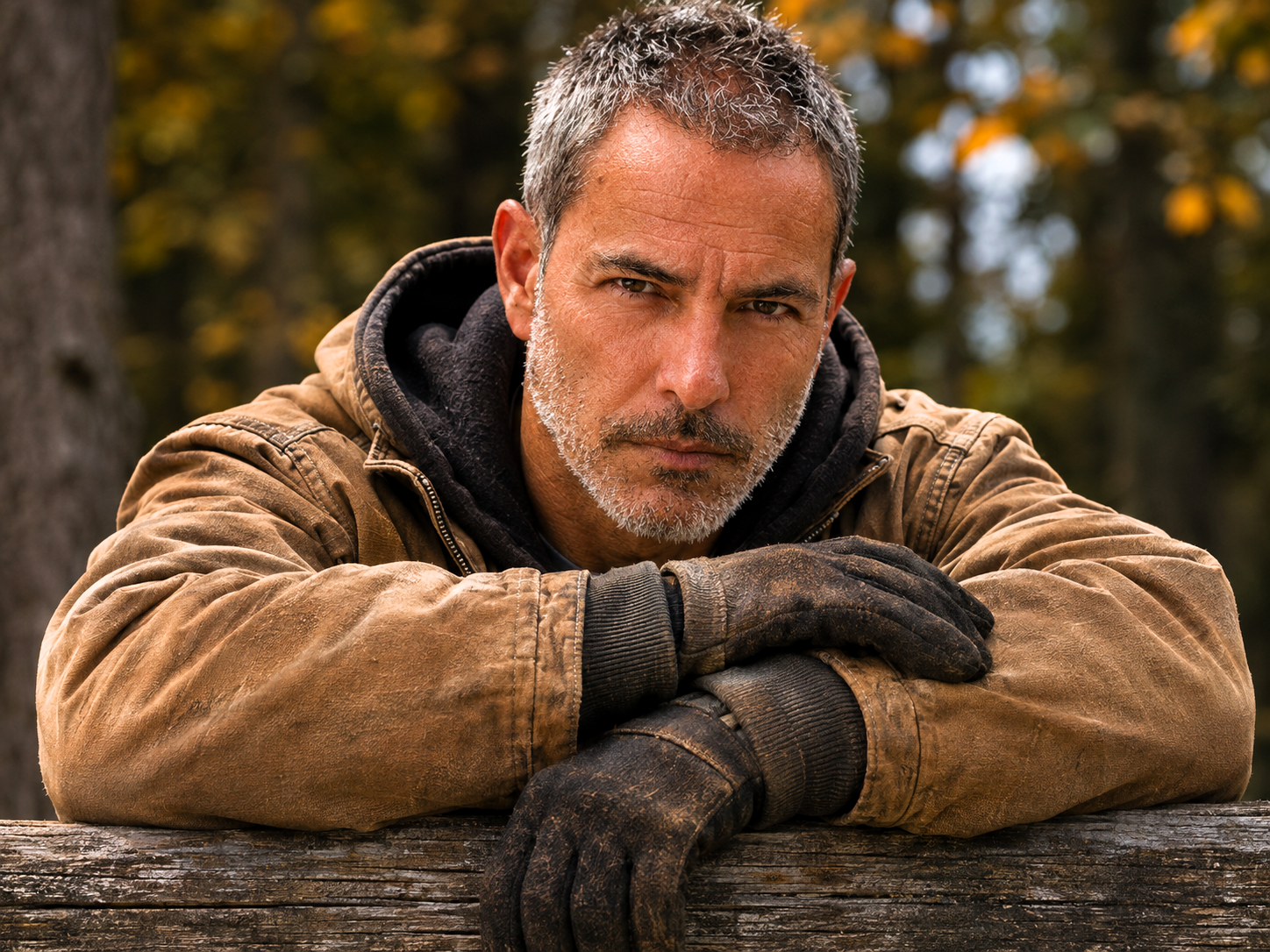
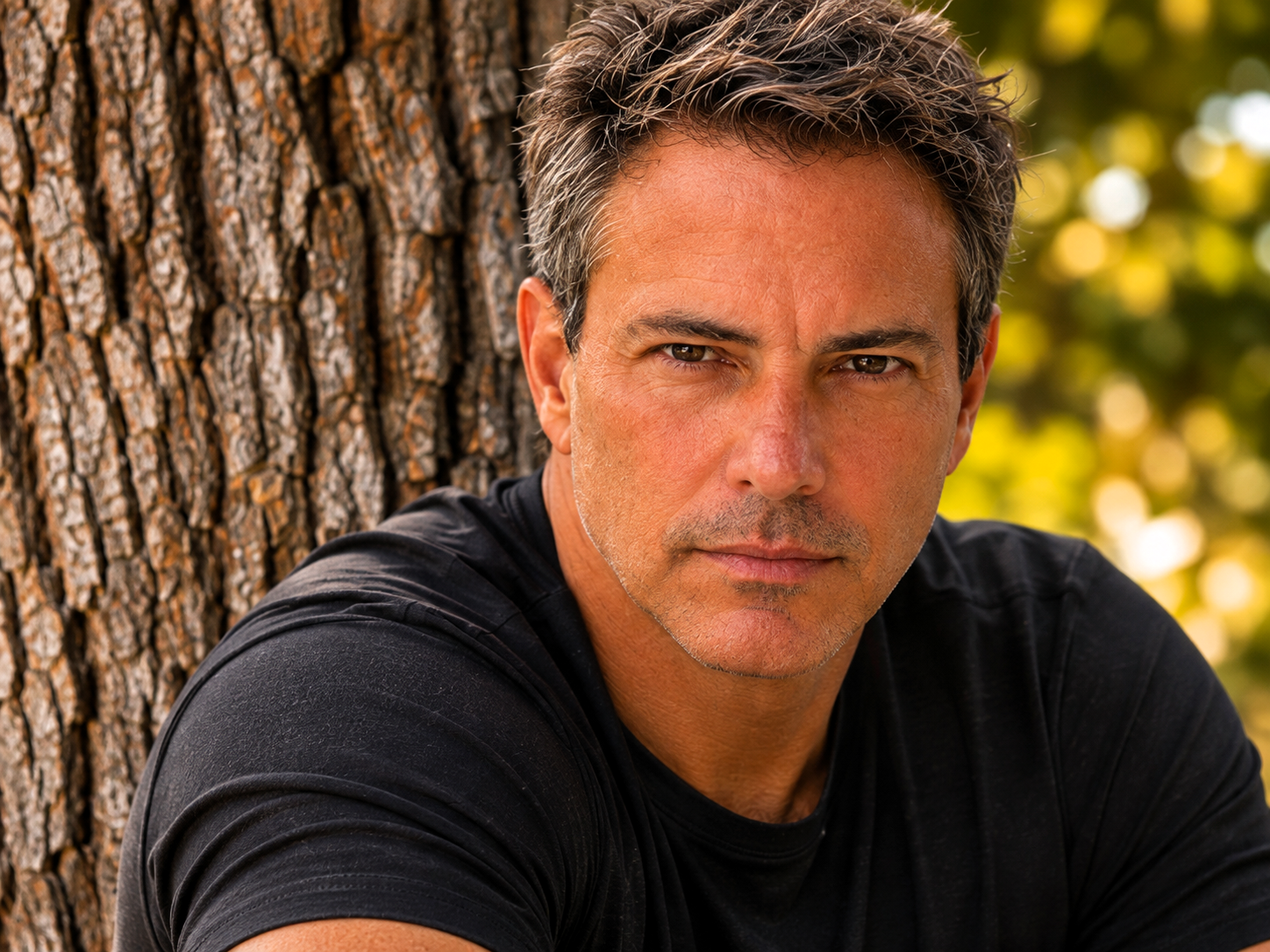
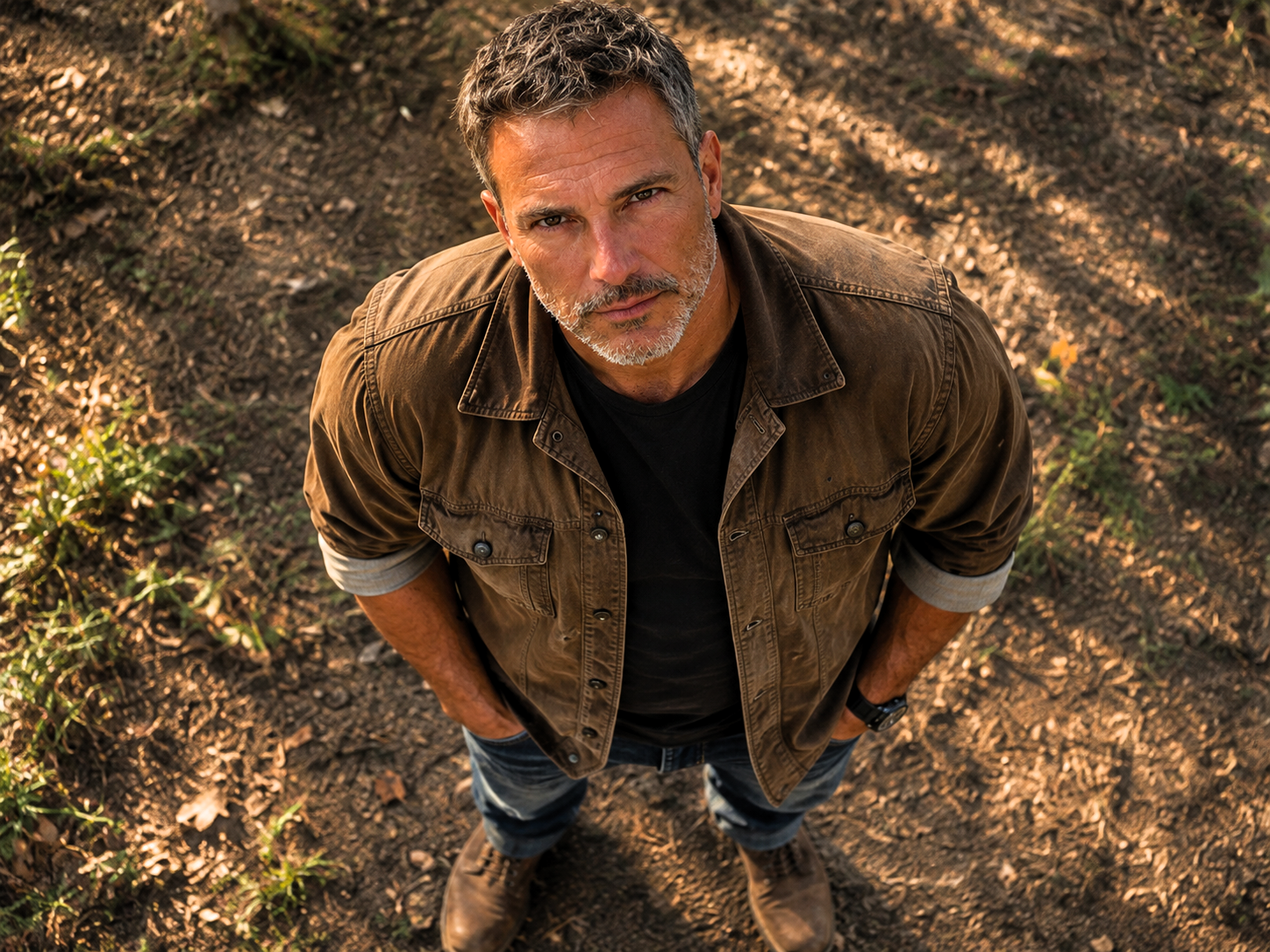
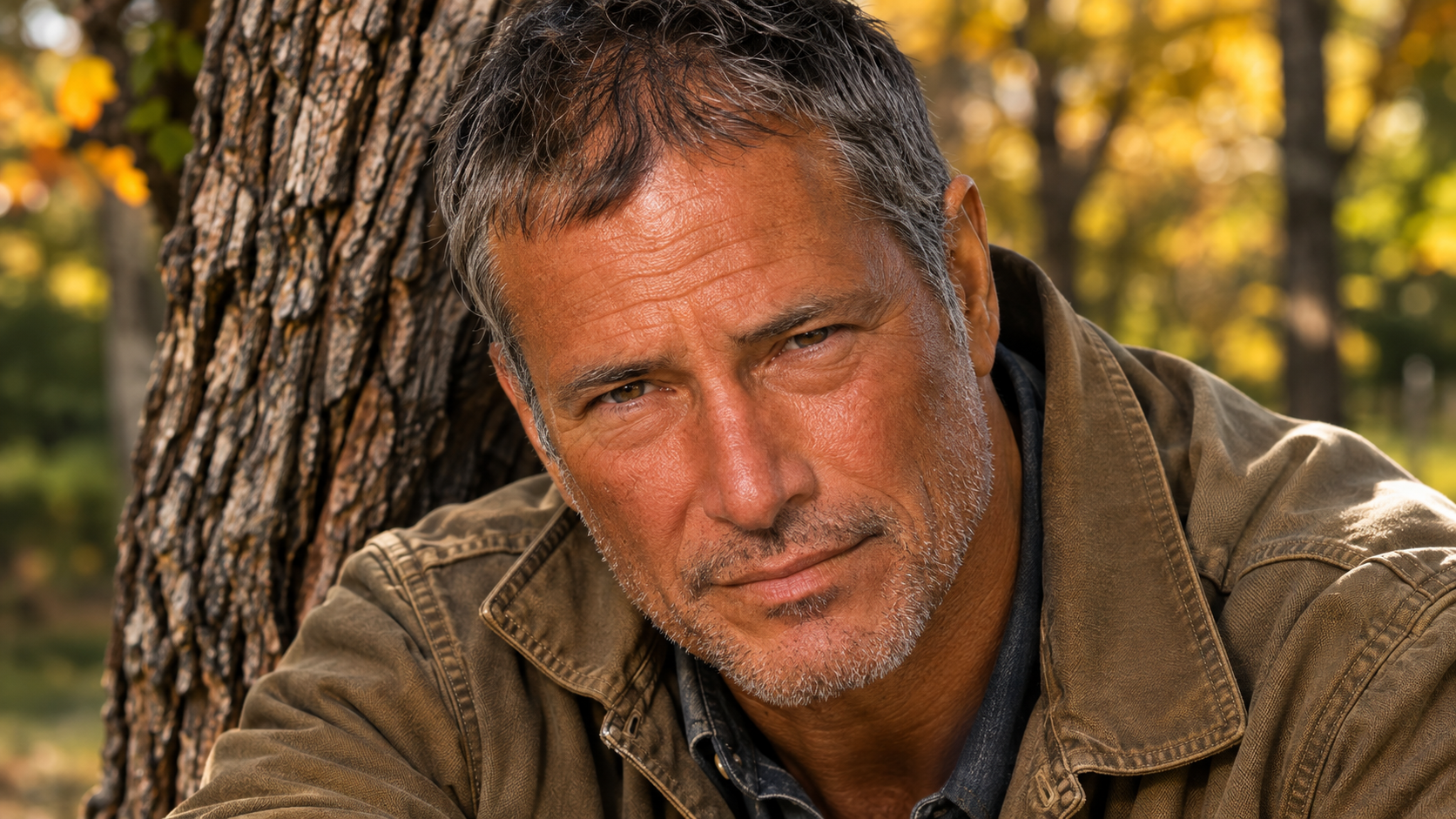
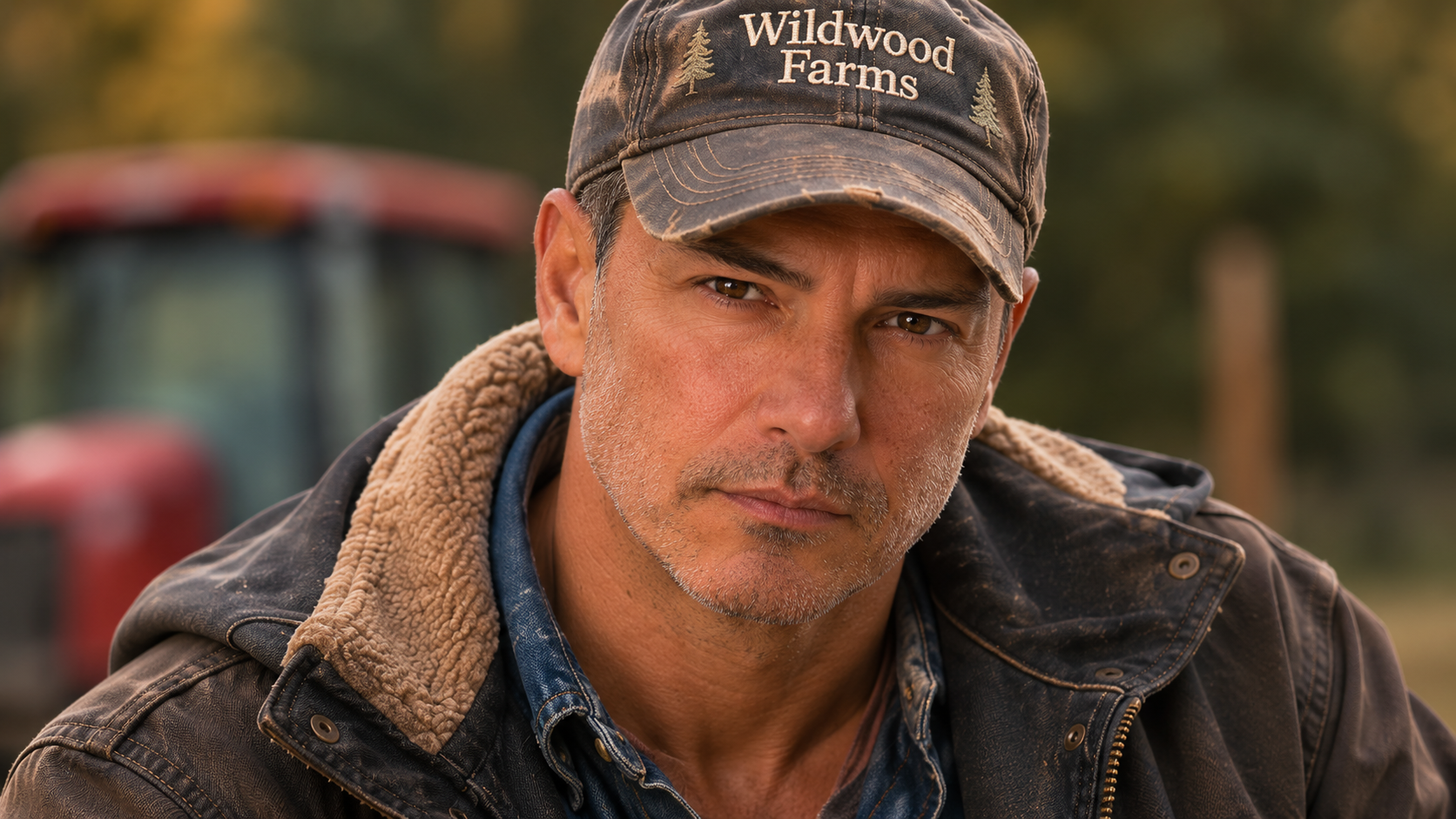
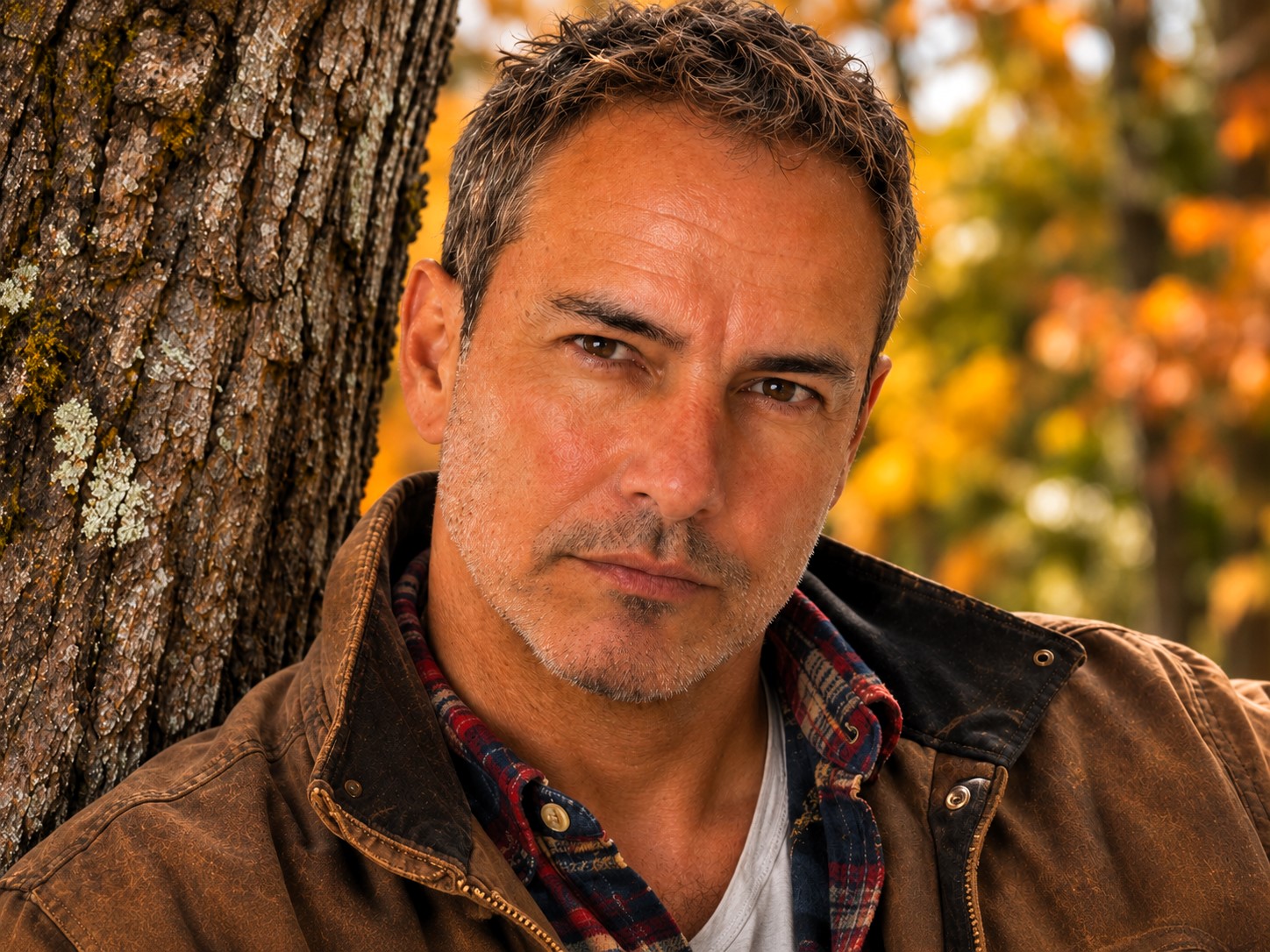
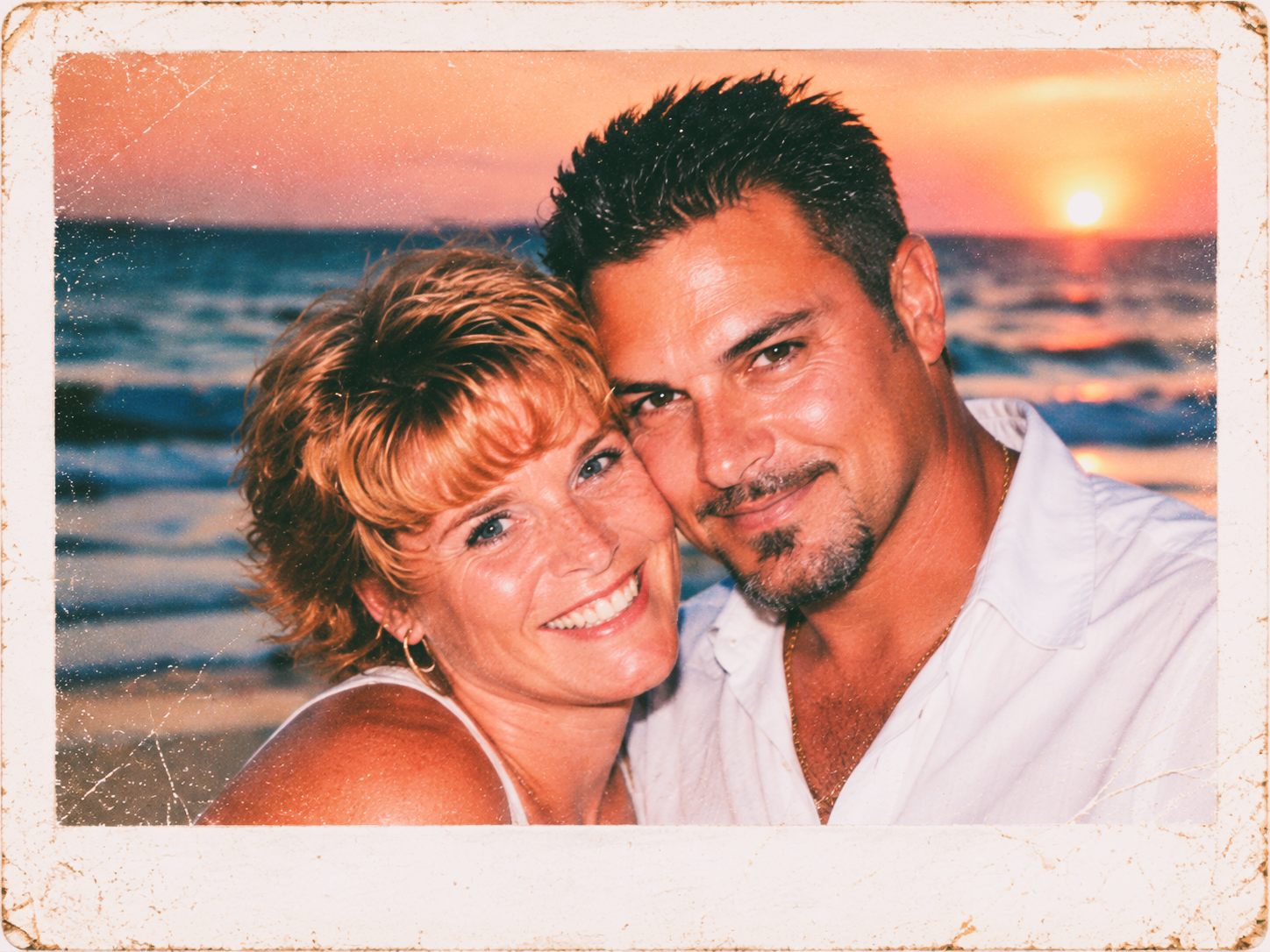
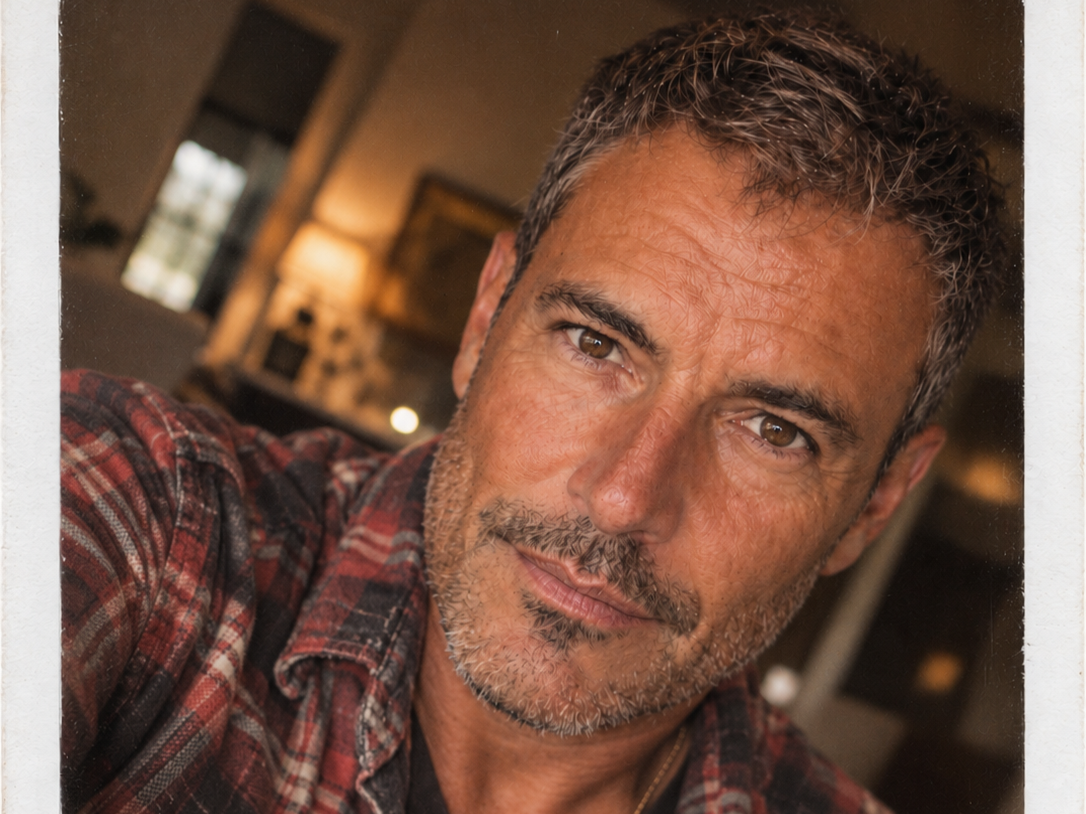
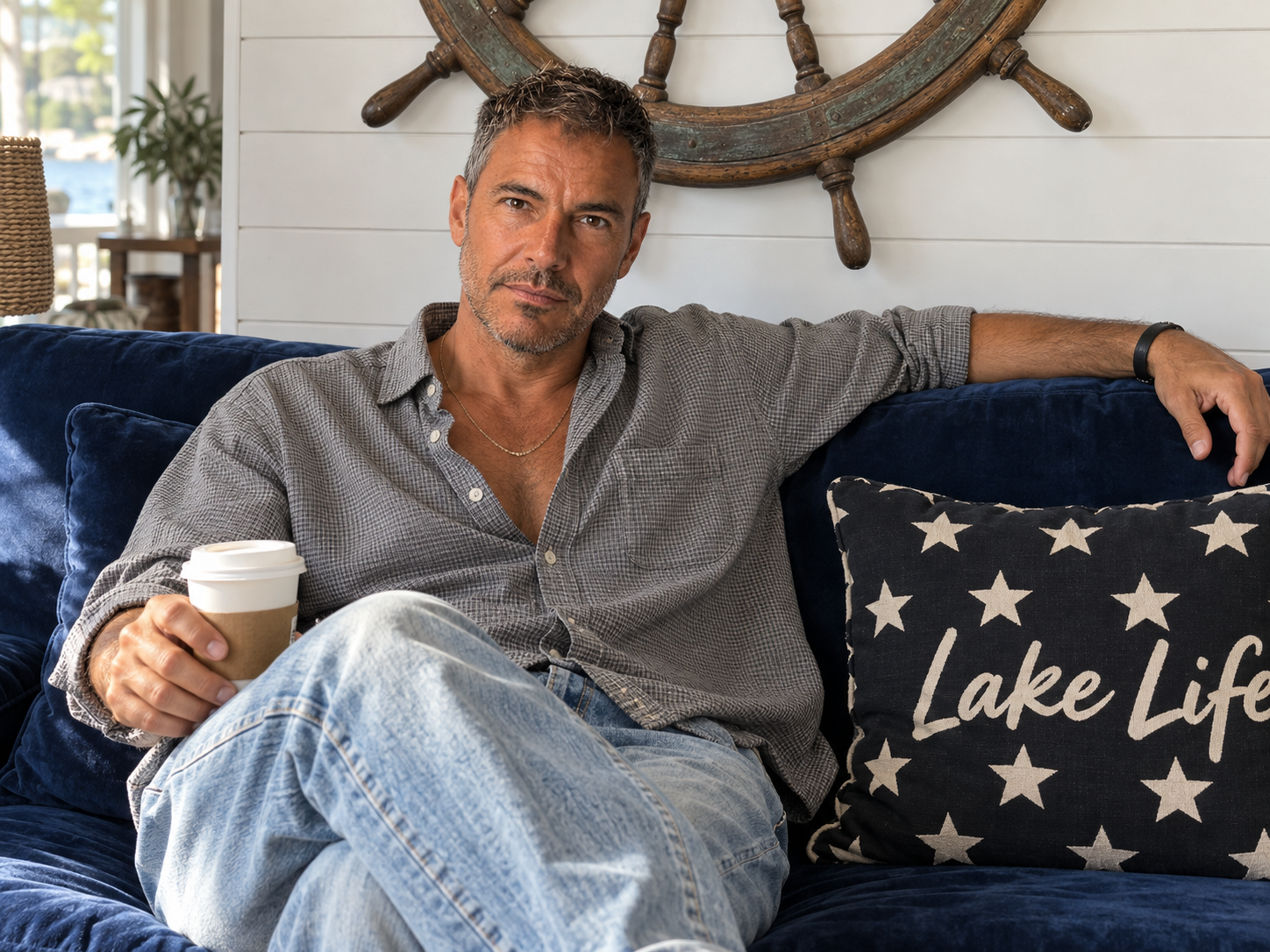
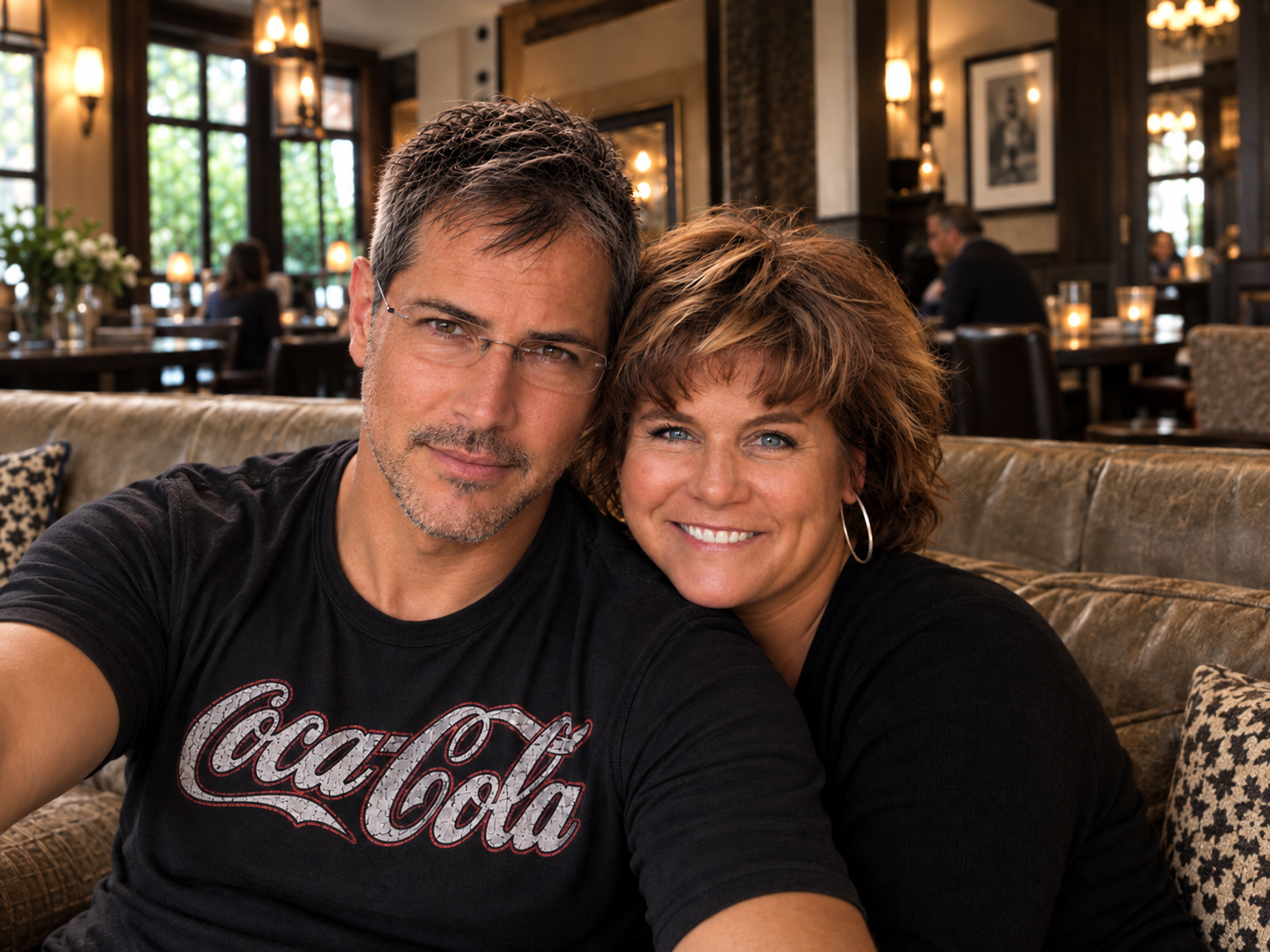
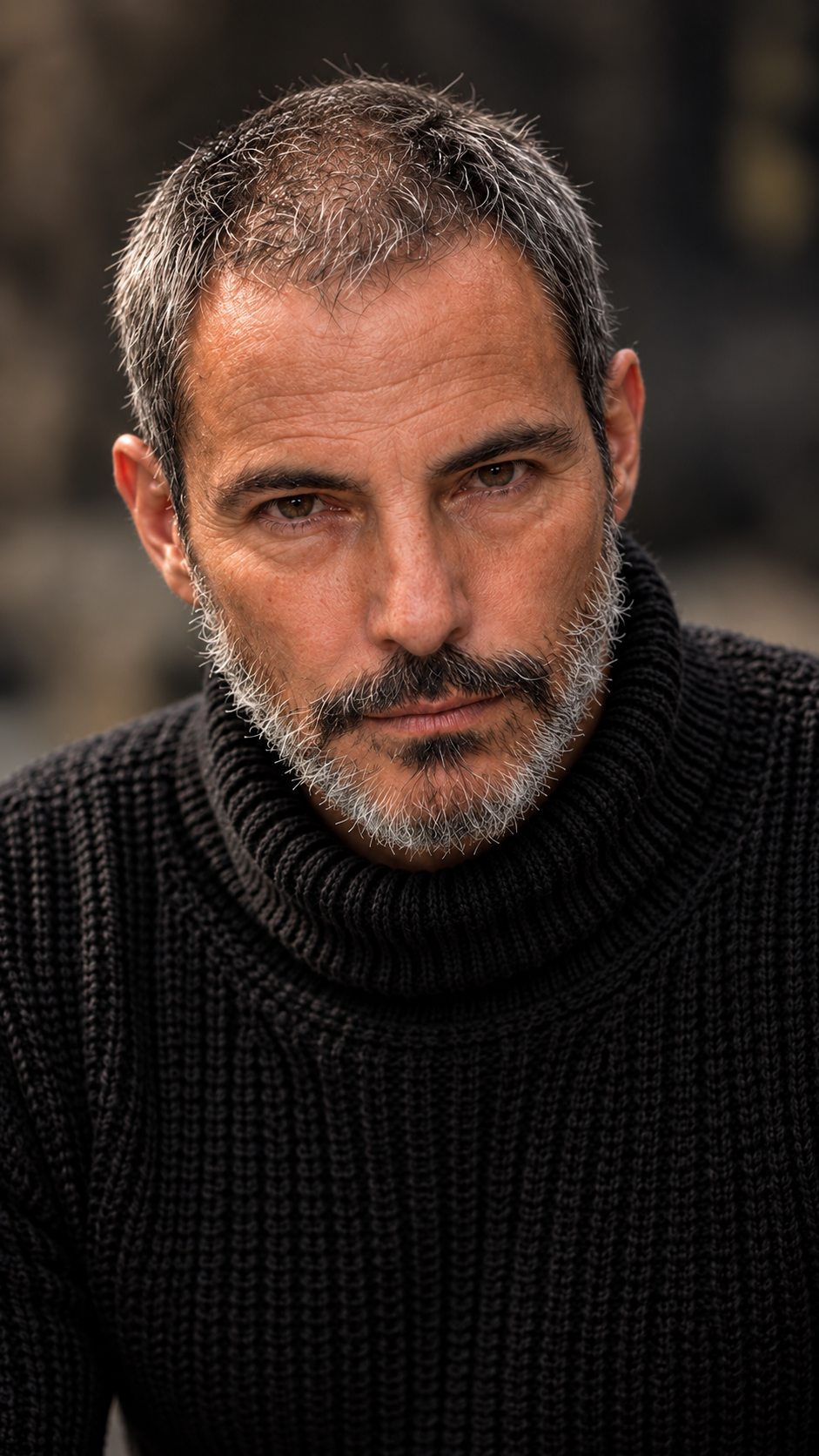
Joey Montes@jrm · Nov 3, 2026 Photo · Published update Some days I still feel the weight of losing Dawne as sharply as I did in 2016. Grief did not disappear when I learned to keep going. It changed shape. In the silence, I began to picture Wildwood, a tree farm built around remembrance. I want families to have a place to plant a tree, speak a name, and return years later to see how something living has grown. That is the part of the dream I hold closest: making room for love that has nowhere obvious to go. This image is part of that imagined future, not a farm I own today. There is land to find, work to learn, and people to bring together. I cannot undo Dawne's death, but I can honor her by creating something that may help another family carry its loss with hope. #Dawne#Joey#Wildwood#2026#Autumn
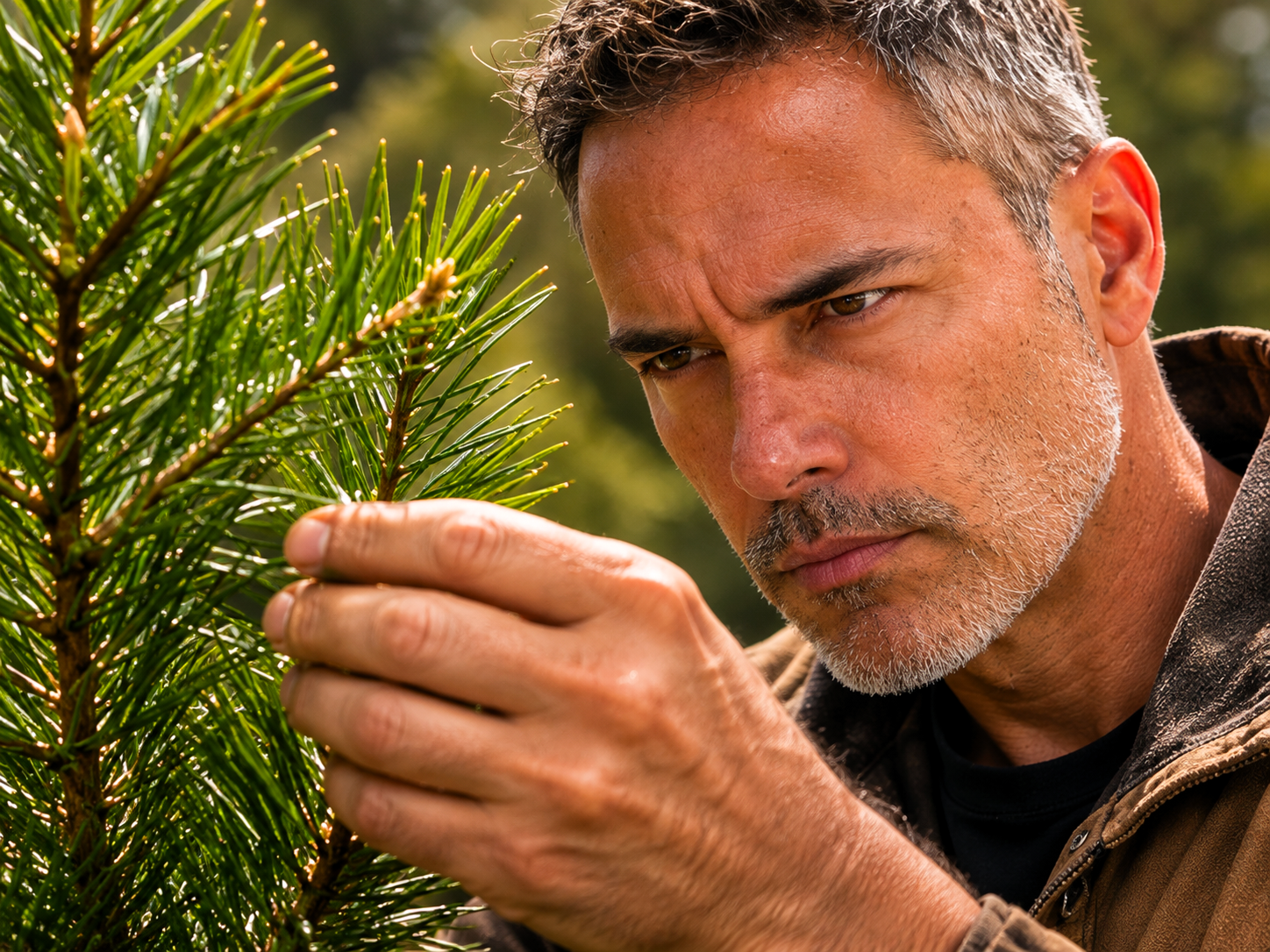
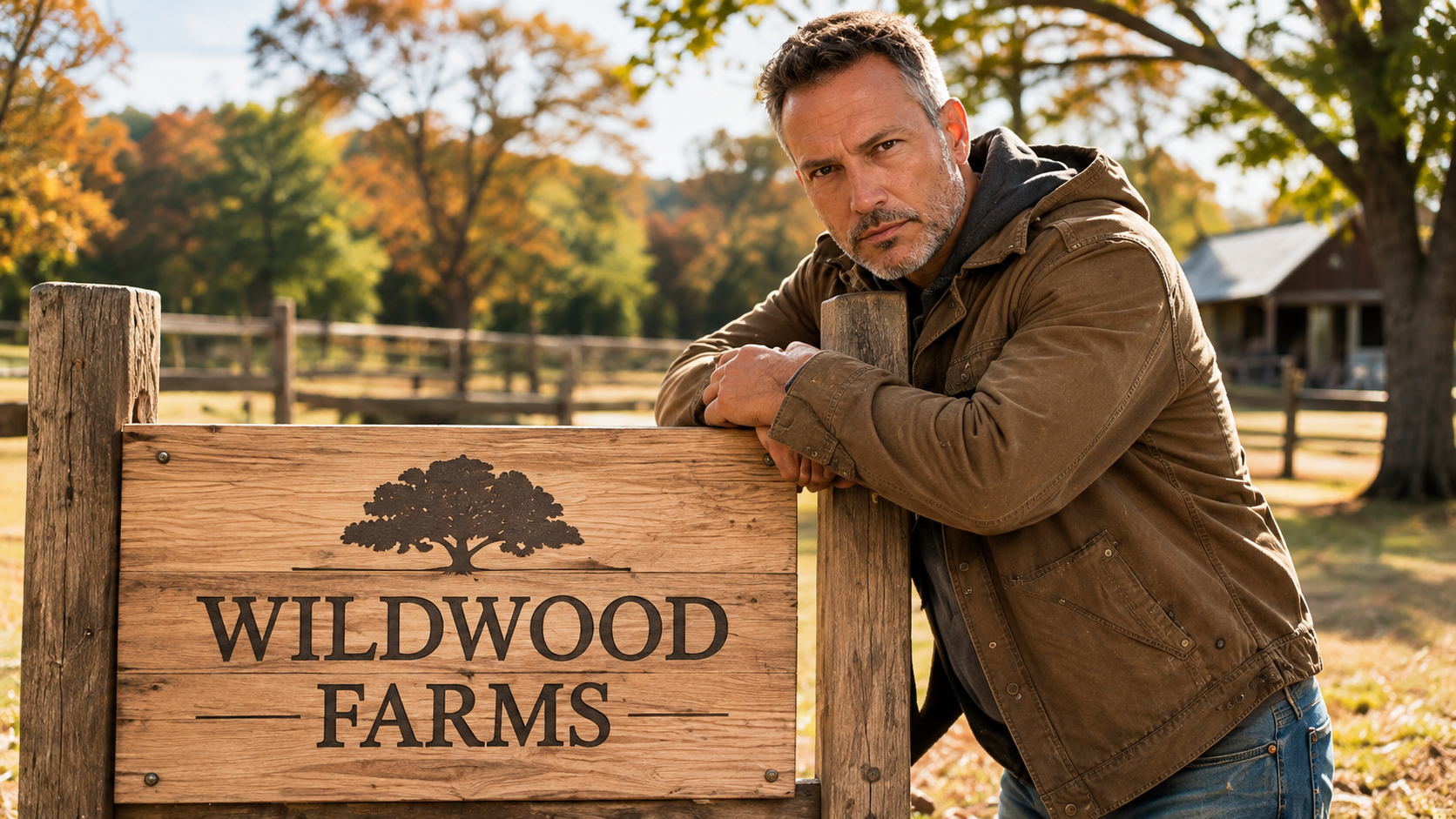
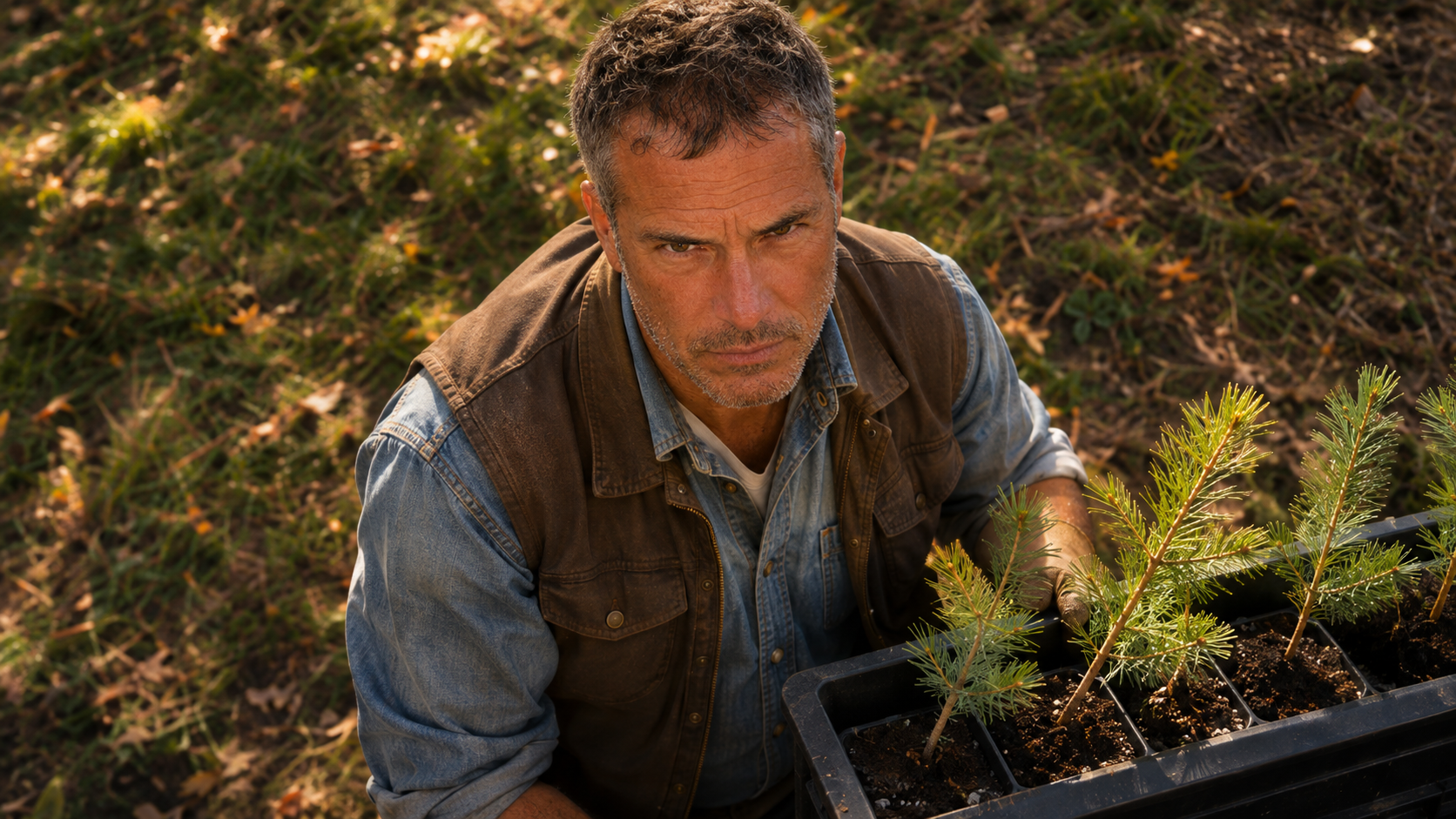
Joey Montes@jrm · Nov 3, 2026 Photo · Published update These images show two sides of my Wildwood dream. In one, I study the needles of a pine. In the other, I stand before a farm sign that, for now, exists only in my imagination. After Dawne died, grief changed how I saw the future. I spent years carrying love and loss without knowing what to do with either. Trees gave that love a direction. I want to find land, raise healthy trees, and create a place where families can plant one in memory of someone they miss. They could return through the years and watch a living tribute take root. Wildwood is not an operating farm. It is the purpose that grew out of my grief, and the promise I want to keep working toward for Dawne and for others who know what it means to lose someone. #Dawne#Joey#Wildwood#2026#Autumn
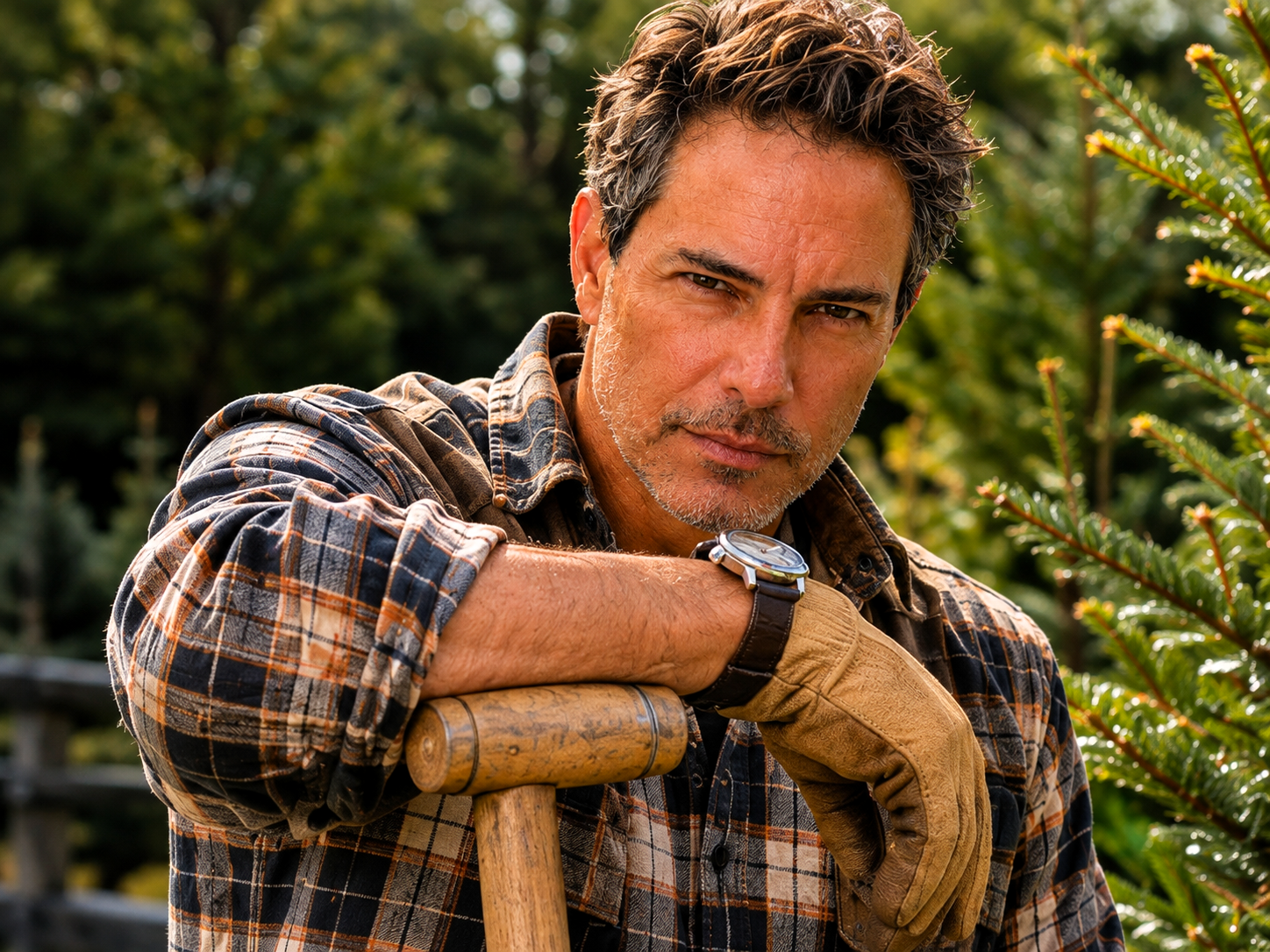
Joey Montes@jrm · Nov 3, 2026 Photo · Published update Wildwood started with a loss I never learned to make sense of. When Dawne died, I was left carrying love with nowhere to put it. For years grief was the loudest thing in my life. Somewhere along the way, trees became a way to imagine giving that love roots. These two scenes are how I picture the work: hands on a shovel, seedlings ready for soil, a quiet cup of coffee after a long morning. The farm is still a dream, not land I own. But I want to build a place where someone missing a loved one can plant a tree, come back, and see that remembrance is still growing. I cannot bring Dawne back. I can honor her by making something living for others. That is the heart of Wildwood. #Dawne#Joey#Wildwood#2026#Autumn
Joey Montes@jrm · Nov 3, 2026 Photo · Published update Every time I stand beside an old tree, I think about the years it took to grow. Losing Dawne in 2016 changed the course of my life. At first, grief was simply something to survive. Over time I began imagining Wildwood, a tree farm where people could plant in memory of someone they love and return to see those memories take root. I want to learn the land, raise healthy trees, and make room for stories that deserve to be remembered. I do not have the farm yet. I have a purpose shaped by loss and sustained by love. I cannot change what happened to Dawne, but I can spend the years ahead building something that honors her and offers others a little hope. #Dawne#Joey#Wildwood#2026#Autumn
Joey Montes@jrm · Nov 3, 2026 Photo · Published update Wildwood began in the aftermath of losing Dawne. Grief left an emptiness I could not fix, and for a long time I did not know where to put all that love. The idea of planting trees gave it a direction. I dream of a farm where families can honor someone they miss, return year after year, and watch a living tribute grow. I have not acquired the land. This portrait reflects what I hope to build, not what already exists. I want to turn loss into care, remembrance into something rooted, and my own grief into a purpose that might help someone else. I cannot change the day I lost Dawne, but I can choose what grows from the love she left behind. One tree at a time. #Dawne#Joey#Wildwood#2026#Autumn
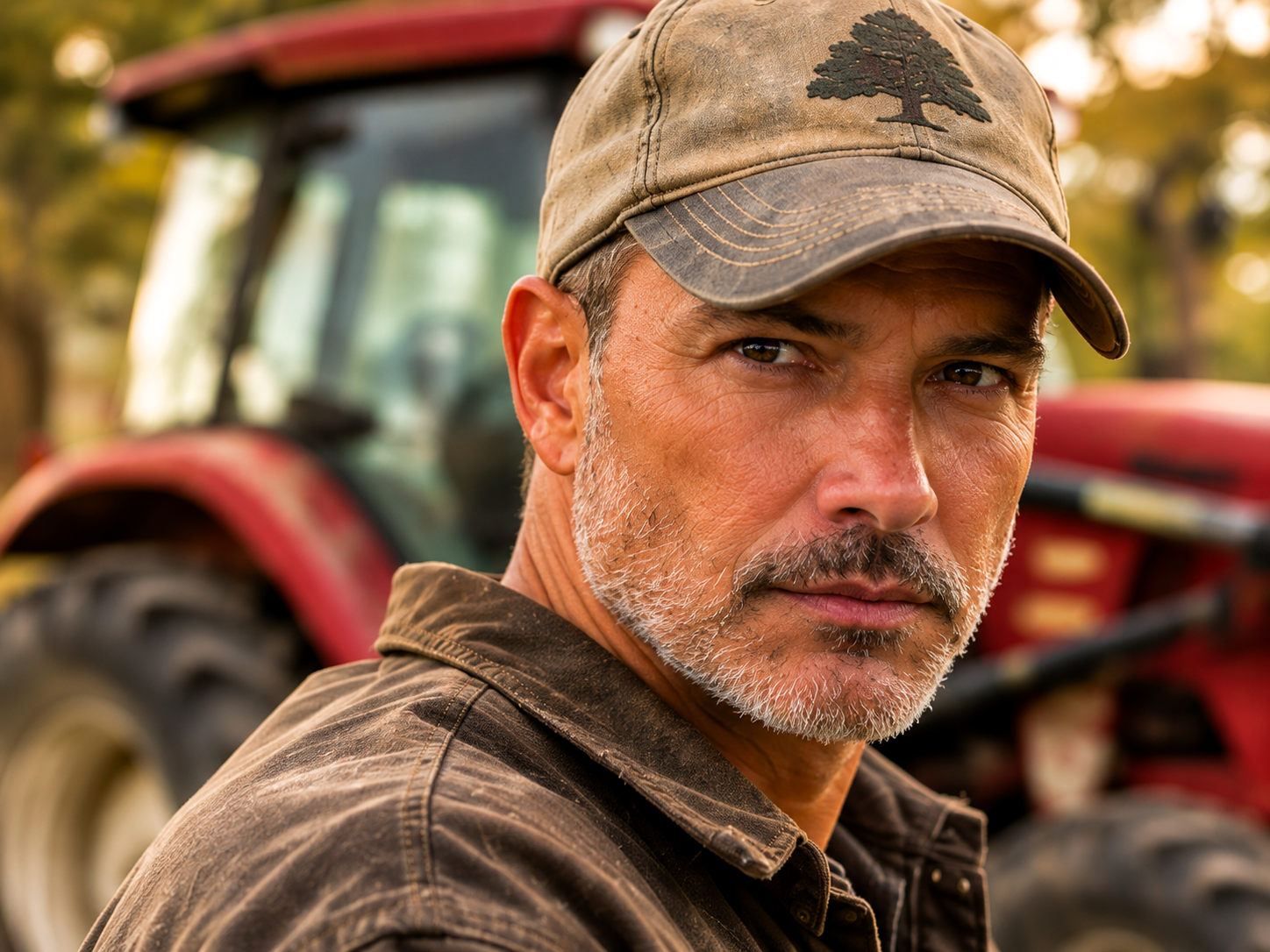
Joey Montes@jrm · Nov 3, 2026 Photo · Published update Autumn 2026. The work jacket, the worn cap, and the tractor behind me capture how I imagine Wildwood Farms, but the farm itself is still a dream. I want to find the right land, plant native trees, and build a place where families can dedicate a tree to someone they love. I picture them returning through the seasons, watching a sapling grow into something lasting. Getting there will mean finding support, caring for the land, and doing the hard work long after the first planting. I do not want a tree farm just for the name or the photographs. I want a place that gives grief somewhere to go, turns remembrance into growth, and leaves something living for the next generation. One tree at a time. #Joey#Wildwood#2026#Autumn#Conservation
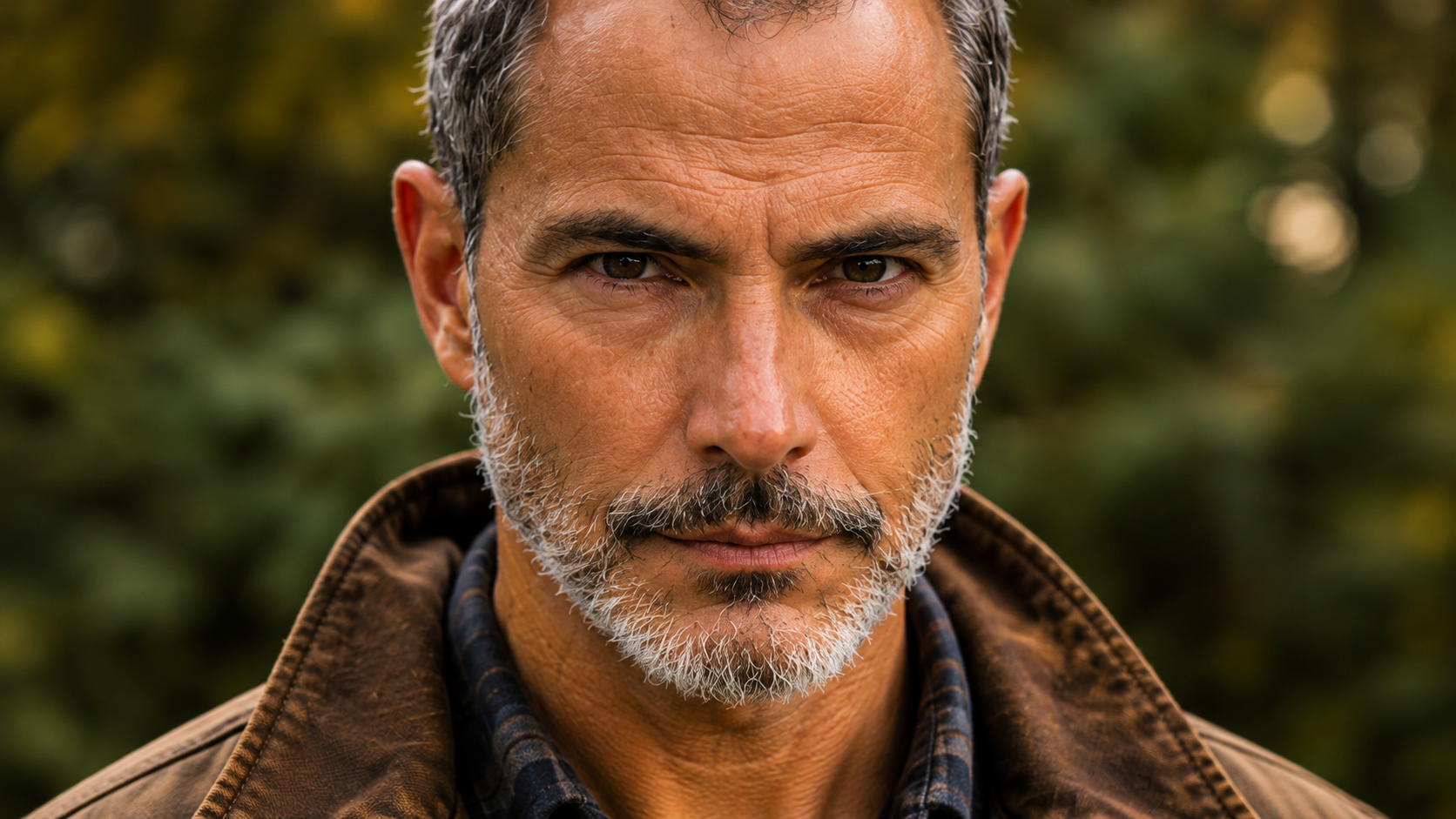
Joey Montes@jrm · Nov 2, 2026 Photo · Published update Autumn 2026. This close-up reminds me that a dream is more than a nice picture. Wildwood is not a farm yet. It is a promise I am making to myself to keep looking for land, learning how to grow trees, and building a place where families can honor someone they miss. The trees are not planted, but the reason to plant them is already here. #Joey#Wildwood#2026#Autumn#Conservation
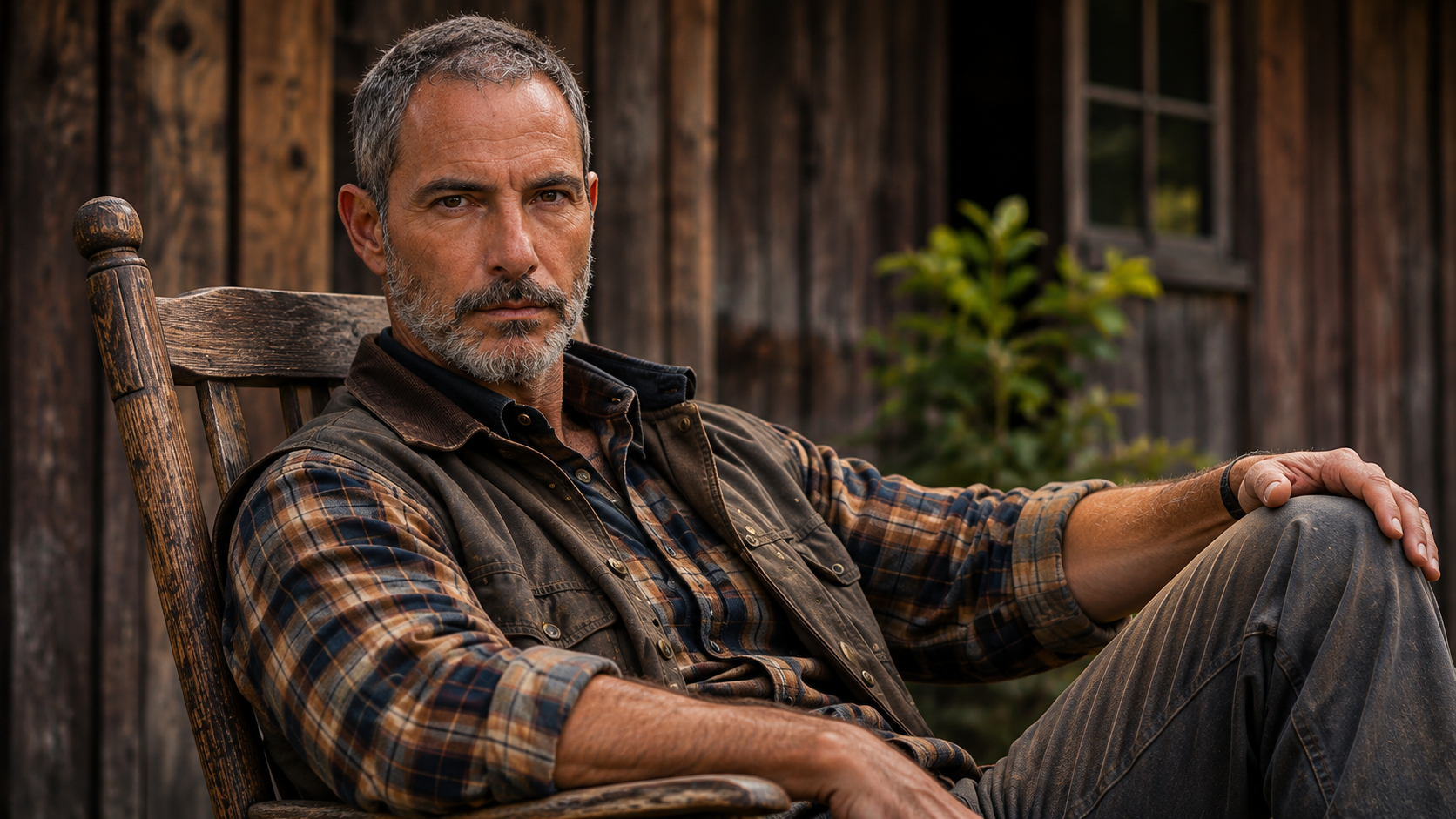
Joey Montes@jrm · Nov 2, 2026 Photo · Published update Autumn 2026. I imagine this as the end of a long day at Wildwood, sitting on an old porch, looking out over trees that started as little more than hope. We have not found the land yet. But I know what I want to grow there: a place for families to remember, to heal, and to leave something good behind. The dream deserves the work. #Joey#Wildwood#2026#Autumn#Conservation
Joey Montes@jrm · Nov 2, 2026 Photo · Published update Autumn 2026. In this imagined scene, I am standing beside the Wildwood Farms sign I hope to see for real one day. I want to build a place where families can plant trees for the people they love and return to watch those memories grow. We do not have the land yet, but the dream has a name, a purpose, and a future I am determined to work toward. #Joey#Wildwood#2026#Autumn#Conservation
Joey Montes@jrm · Nov 2, 2026 Photo · Published update Autumn 2026. I look at these young trees and see more than seedlings. I see the Wildwood I hope to build, a place where families can plant something living in memory of someone they love. The land is still a dream, and there is work ahead, but every forest begins with a first tree. I intend to keep moving toward that day. #Joey#Wildwood#2026#Autumn#Conservation
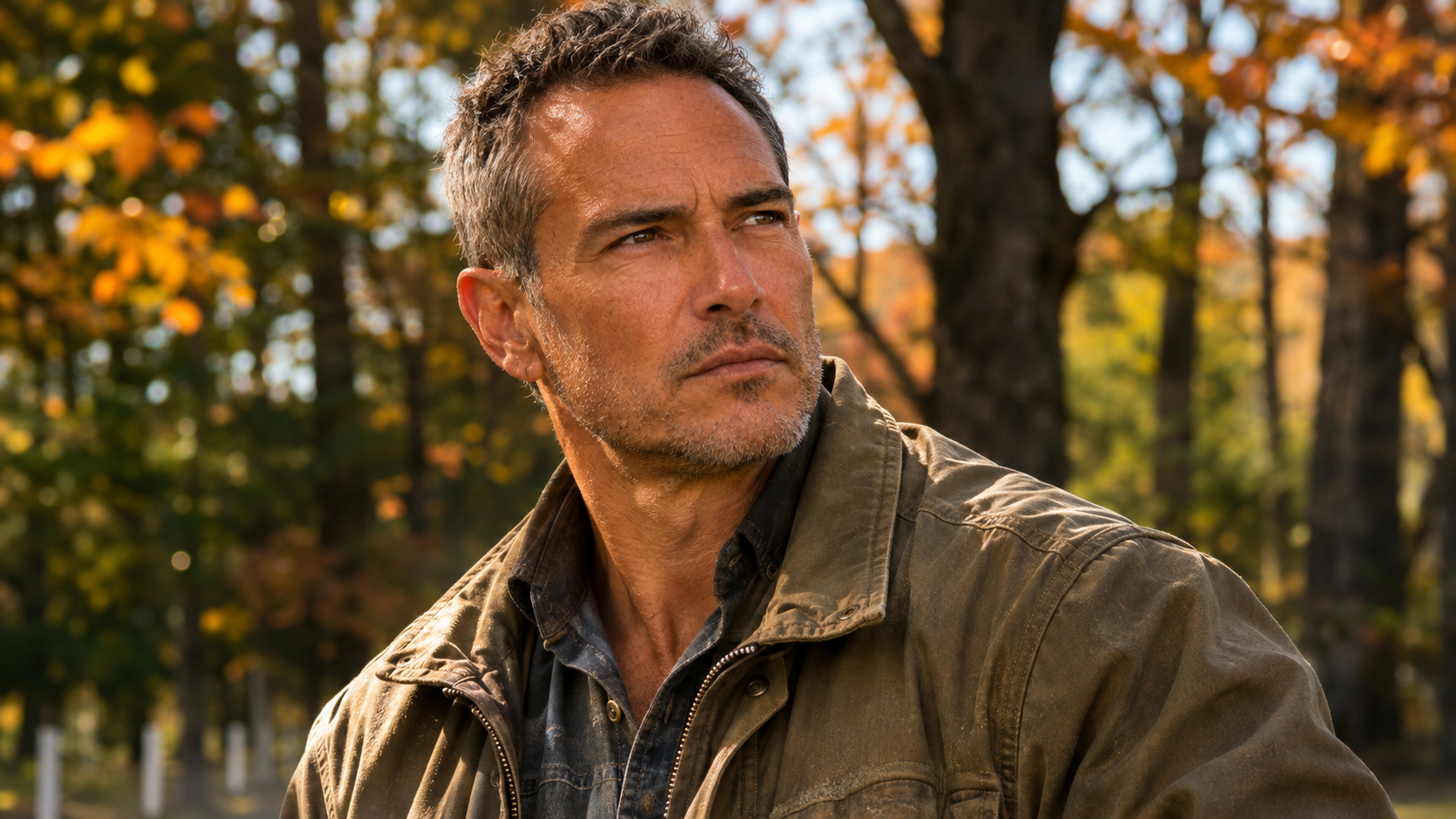
Joey Montes@jrm · Nov 2, 2026 Photo · Published update Autumn 2026. Looking through these woods, I can see the Wildwood tree farm I hope to build. It starts with finding the right land and putting the first saplings in the ground. Someday, I want families to plant a tree in memory of someone they love and return to watch it grow. For now, it's a dream that gives me something to work toward. #Joey#Wildwood#2026#Autumn#Conservation
Joey Montes@jrm · Nov 2, 2026 Photo · Published update Autumn 2026. Sitting beside this tree, I think about what it takes to build something that lasts. The Wildwood tree farm is still a dream, but I can see it clearly: open land, young trees, and families planting in honor of people they never want forgotten. One day I hope this dream gives someone a place to remember, and a reason to come back. #Joey#Wildwood#2026#Autumn#Conservation
Joey Montes@jrm · Nov 1, 2026 Photo · Published update Autumn 2026. The Wildwood Farms name is on my cap, but the land is still a dream. I picture rows of trees, families planting in memory of someone they love, and a place that keeps growing long after we're gone. I don't know every step it will take to get there, but I know why I want to begin. #Joey#Wildwood#2026#Autumn#Conservation
Joey Montes@jrm · Nov 1, 2026 Photo · Published update Autumn 2026. I picture Wildwood as more than a tree farm. A place where people can plant a tree for someone they love, watch it grow, and leave something living for the next generation. The land is still a dream, but the purpose behind it is real. I am not giving up on it. #Joey#Wildwood#2026#Autumn#Conservation
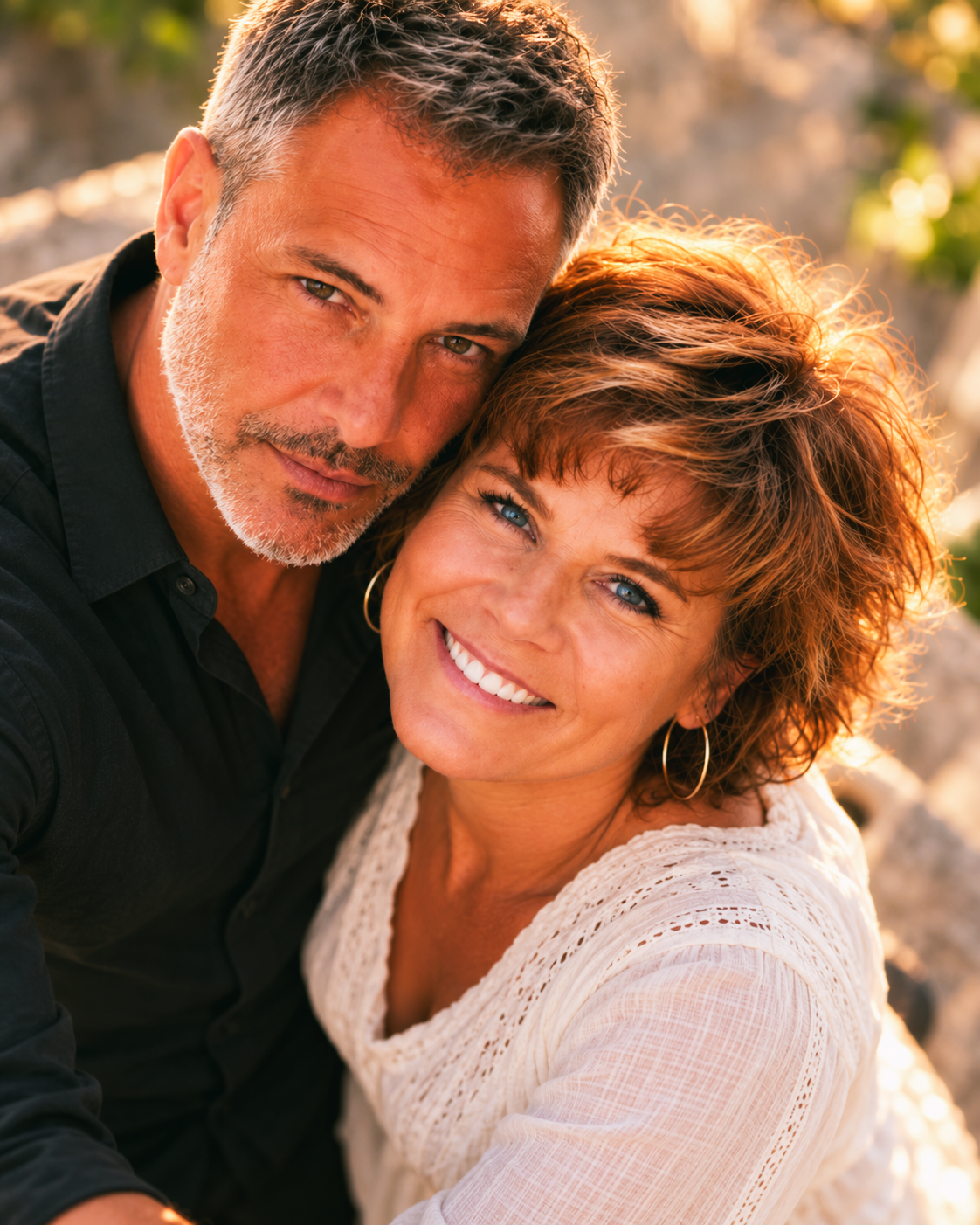
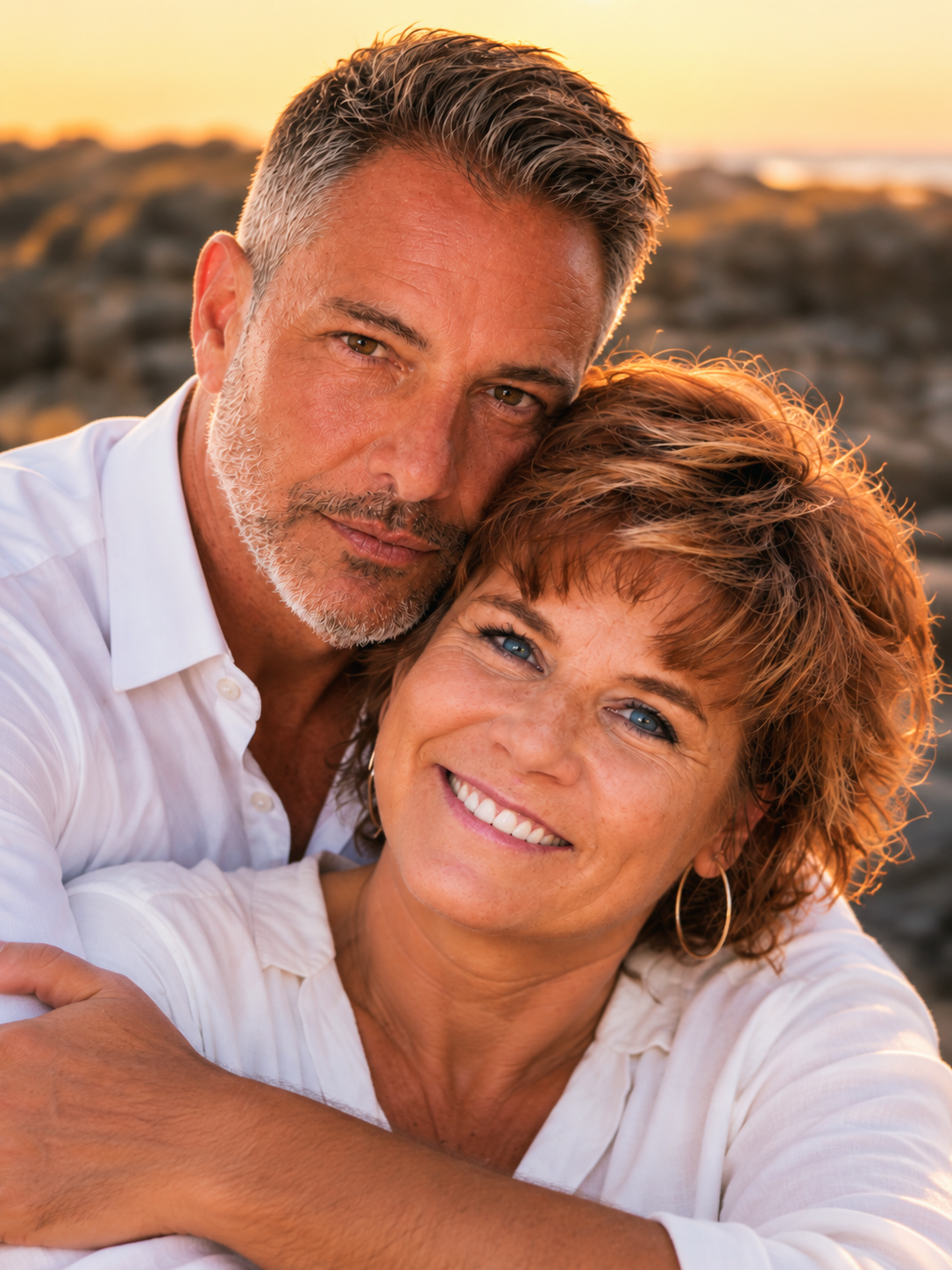
Joey Montes@jrm · Oct 25, 2026 Photo · Published update Ten years since I lost Dawne. This reimagined sunset brings us together again, even if only in a picture. I miss her smile, the way we held each other, and the life we shared. A decade has passed, but some love never fades. She will always be part of who I am. #Dawne#Joey#Love#Memories#Sunset
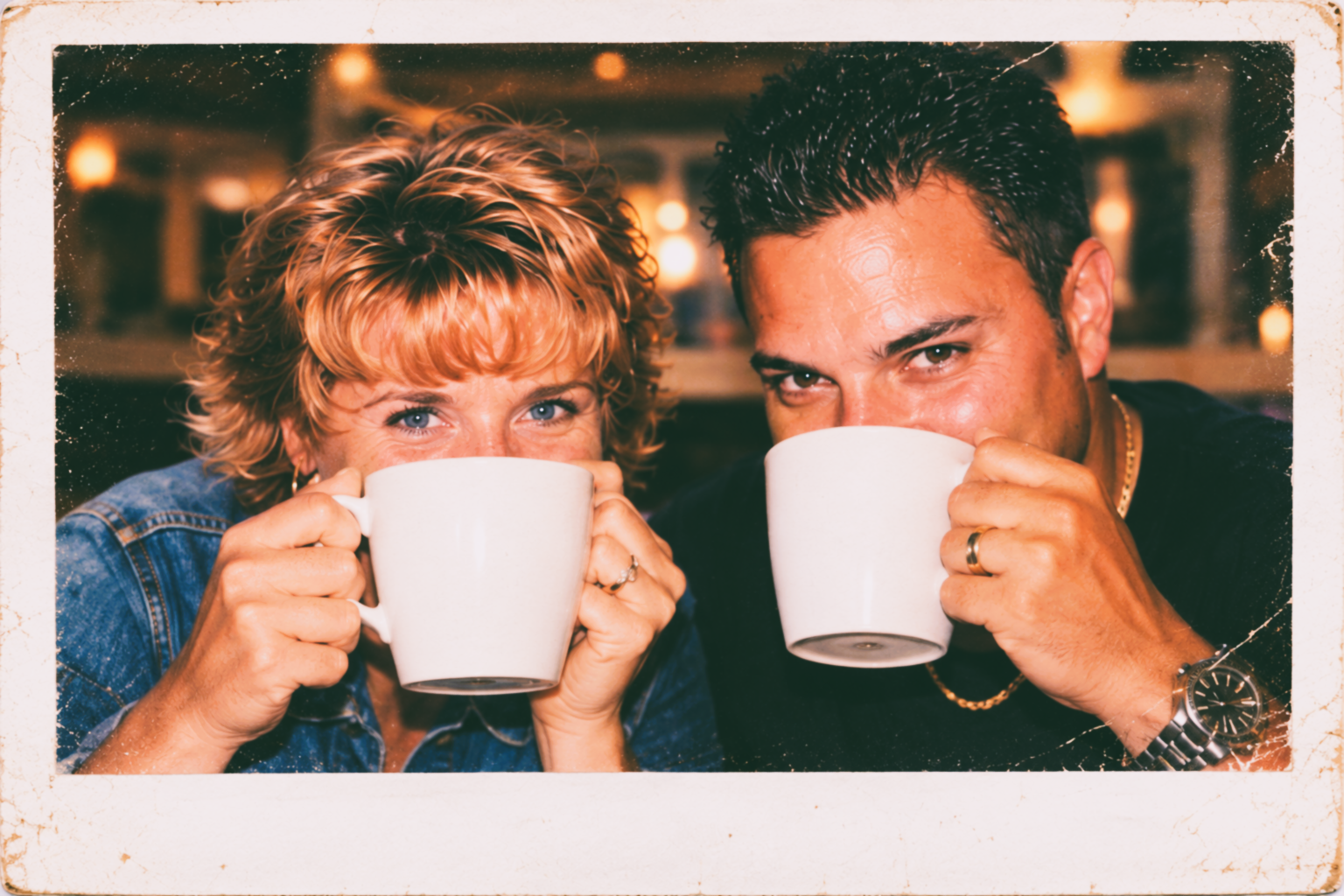
Joey Montes@jrm · Oct 25, 2026 Photo · Published update Ten years since I lost Dawne. This reimagined picture of us hiding behind our coffee mugs makes me think of the laughter we shared over the smallest things. I miss those quiet, ordinary moments more than words can say. Life has moved forward, but my love for her remains. #Dawne#Joey#Love#Memories#Coffee
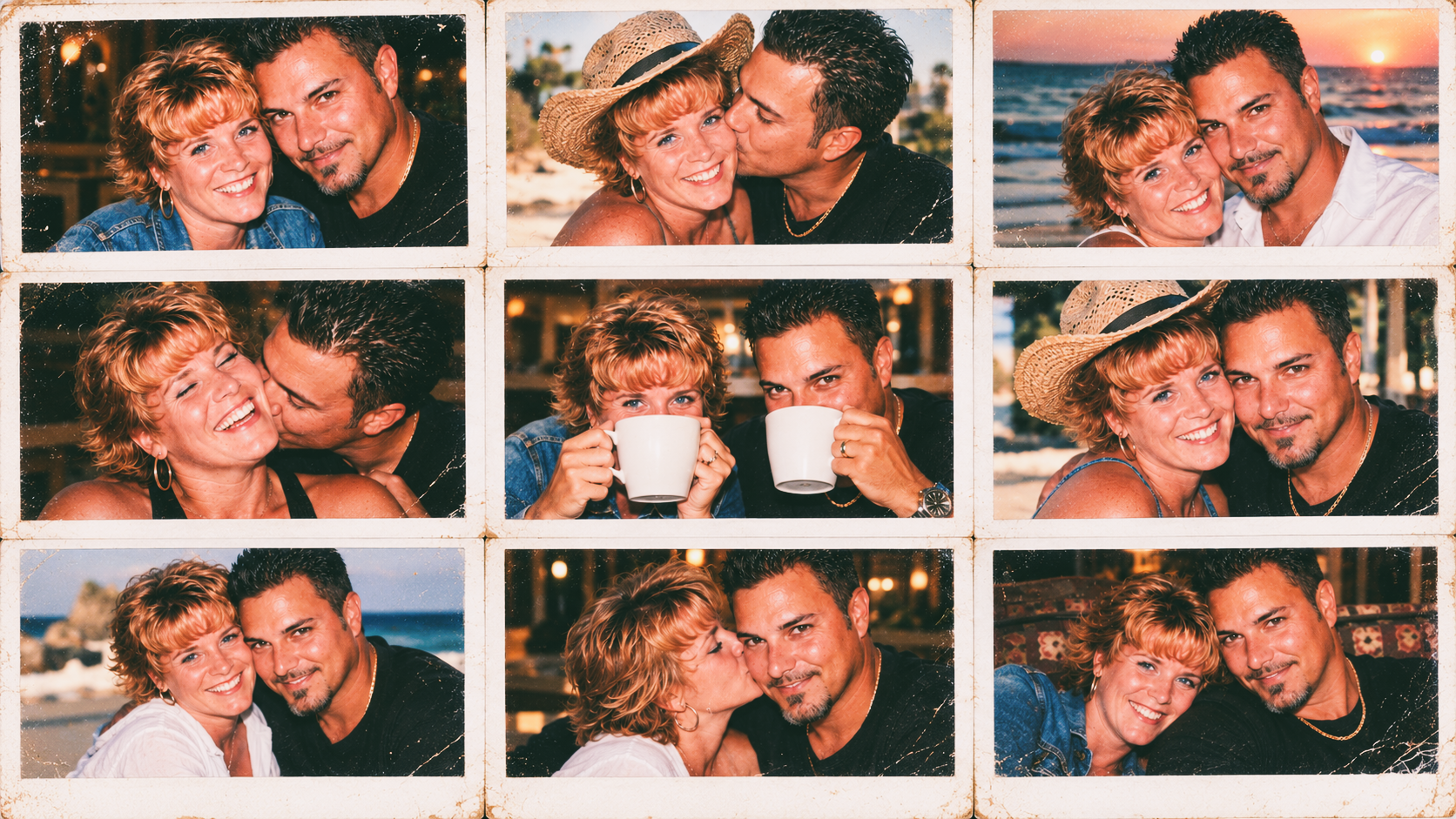
Joey Montes@jrm · Oct 25, 2026 Photo · Published update Ten years since I lost Dawne. Nine reimagined moments of us, but the love behind them was real. The laughter, the little kisses, coffee together, the sunsets. I miss those ordinary moments most. A decade has passed, and she is still part of every chapter of my life. #Dawne#Joey#Love#Memories#Reflections
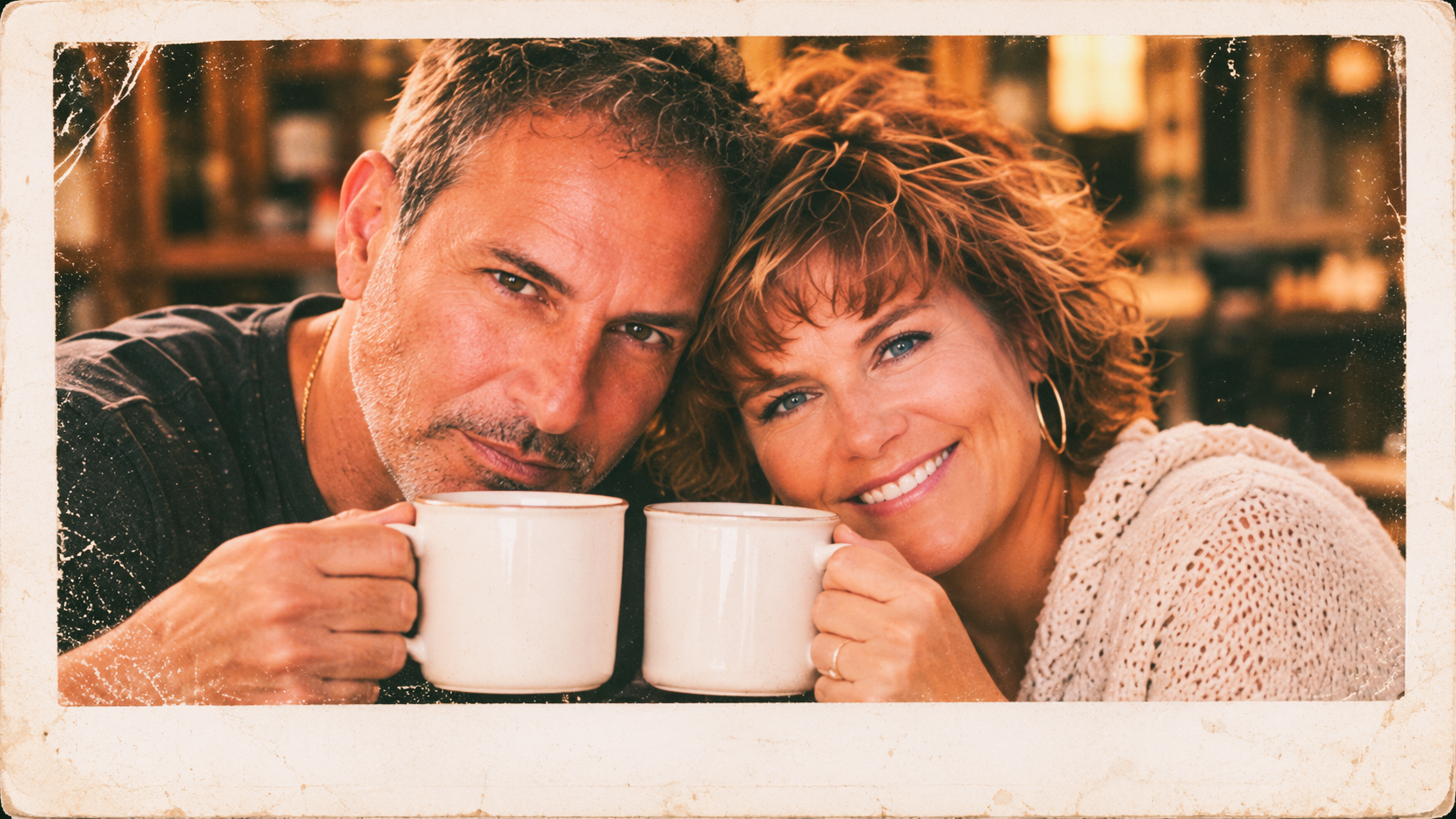
Joey Montes@jrm · Oct 25, 2026 Photo · Published update Ten years since I lost Dawne. This reimagined moment of us sharing coffee reminds me of what I miss most. Her smile, the comfort of being close, and the simple joy of being together. Life has changed in ways I never imagined, but the love I carry for her has never faded. #Dawne#Joey#Love#Memories#Coffee
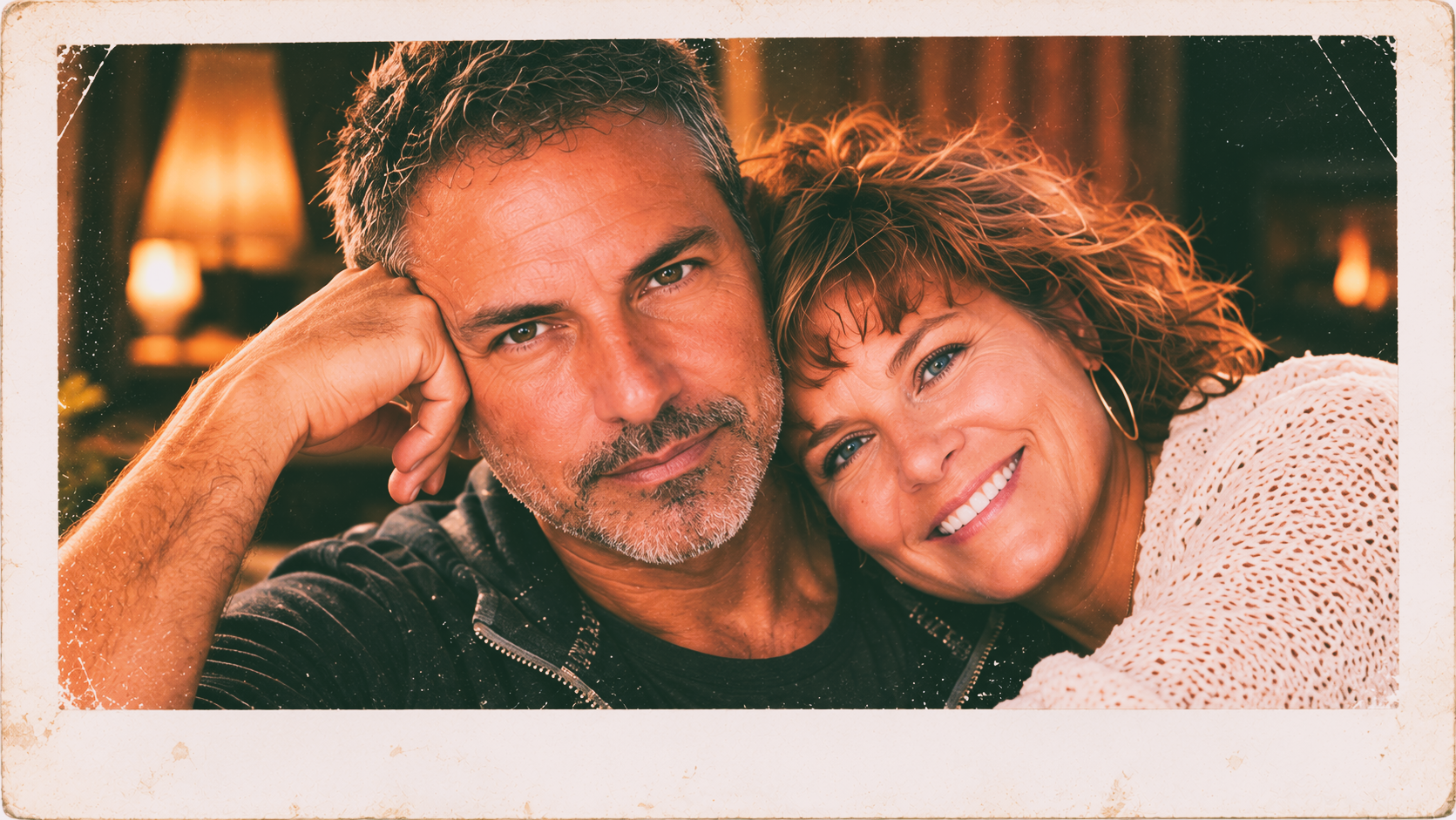
Joey Montes@jrm · Oct 25, 2026 Photo · Published update Ten years since I lost Dawne. This image is reimagined, but the love behind it is real. I remember her smile, the comfort of being close, and the ordinary moments that meant everything. A decade later, life keeps moving, and I keep carrying her with me. #Dawne#Joey#Love#Memories#Reflections
Joey Montes@jrm · Oct 25, 2026 Photo · Published update Autumn 2026. A portrait of where I am, not just how I look. This year has asked a lot of me. I am still learning, still rebuilding, and still moving forward with gratitude for every new day. #Joey#Resilience#2026#Portrait#Reflections
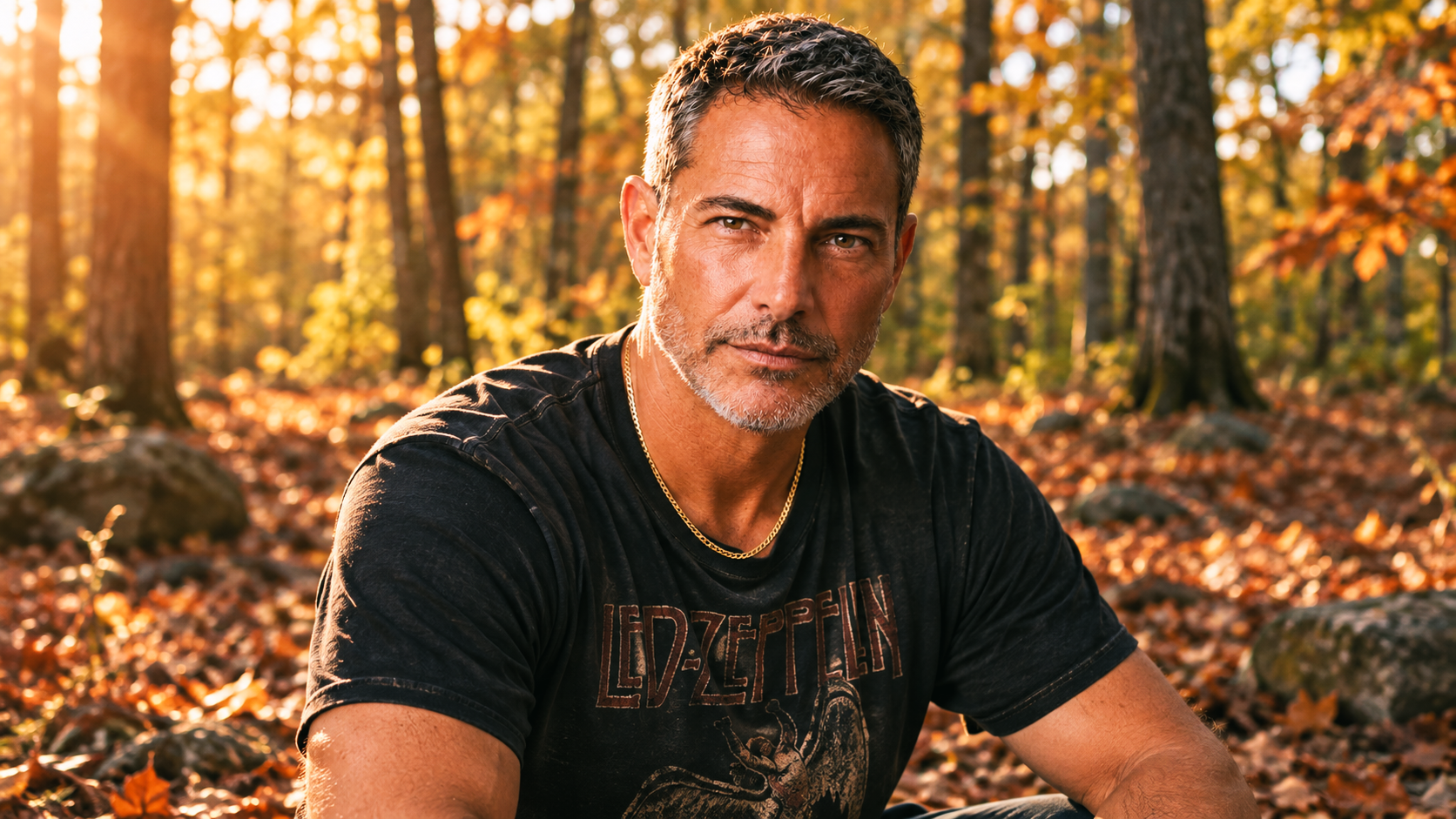
Joey Montes@jrm · Oct 25, 2026 Photo · Published update Autumn 2026. My Led Zeppelin shirt, golden light through the trees, and a moment to reflect. This year has tested me, but I am still here, still moving forward, and learning to appreciate the quiet moments along the way. #Joey#Resilience#2026#Reflections#Autumn
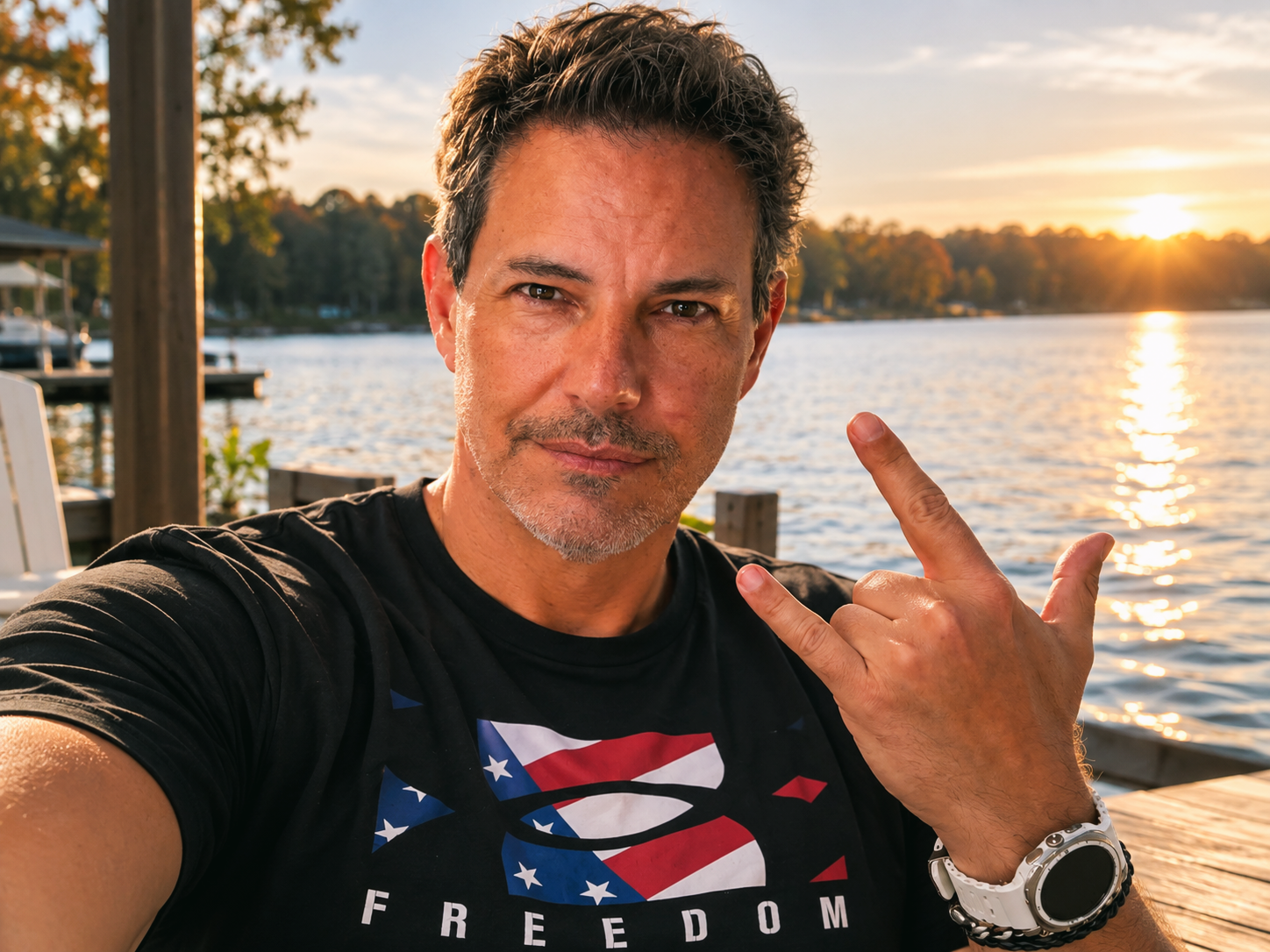
Joey Montes@jrm · Oct 24, 2026 Photo · Published update August 2026. Sunset on the lake, a little rock and roll, and a reminder that life is still full of good moments. This summer tested me, but I am still here, still moving forward, and still grateful for views like this. #Joey#Recovery#LakeLife#Summer#Sunset
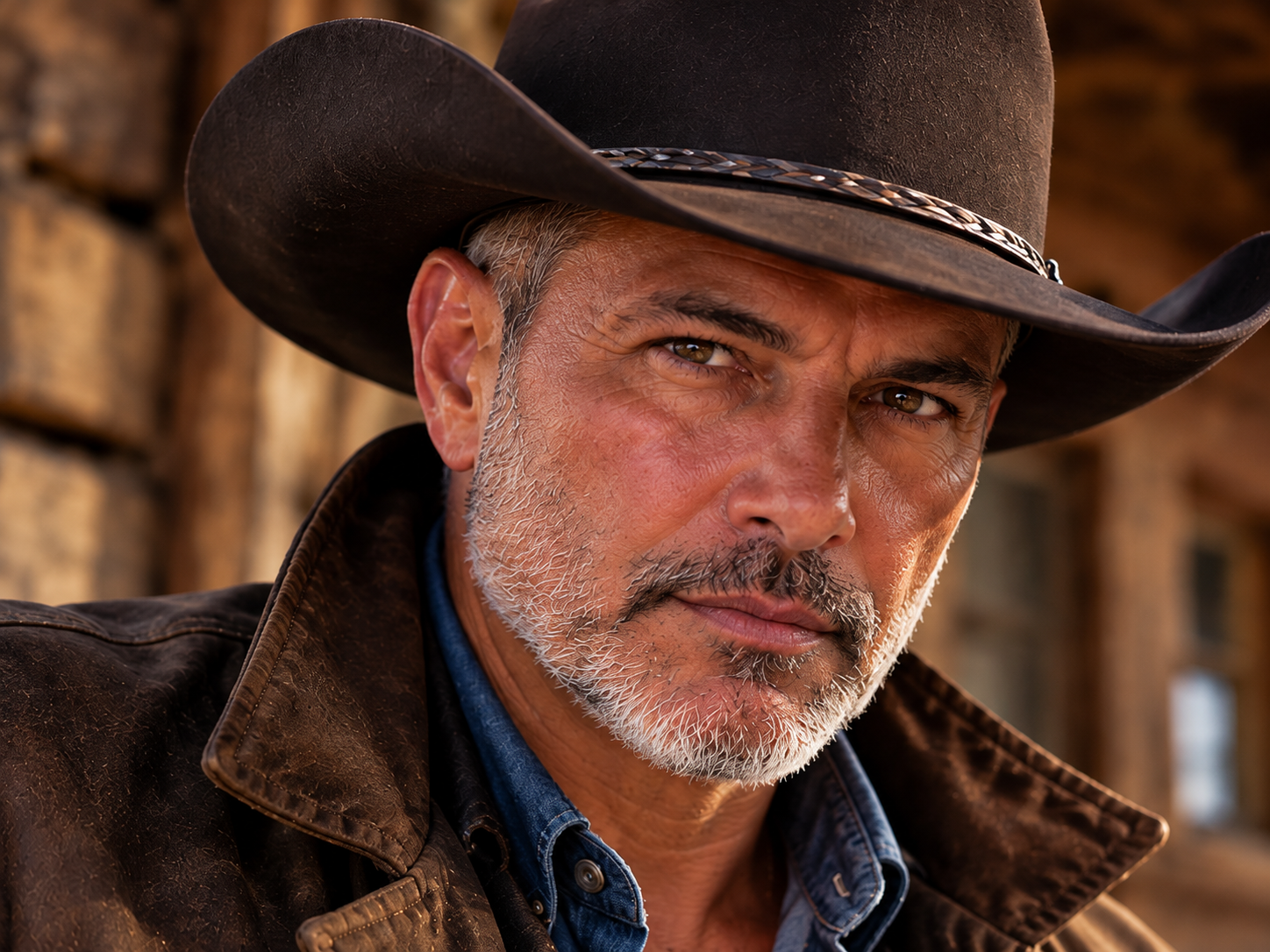
Joey Montes@jrm · Oct 21, 2026 Photo · Published update August 2026. My Yellowstone spoof. No ranch, no cattle, just a cowboy hat, a leather jacket, and my best John Dutton stare. I may not own a thousand acres, but I can look like I have a few rules about the fence line. #Joey#2026#Portrait#August#Cowboy
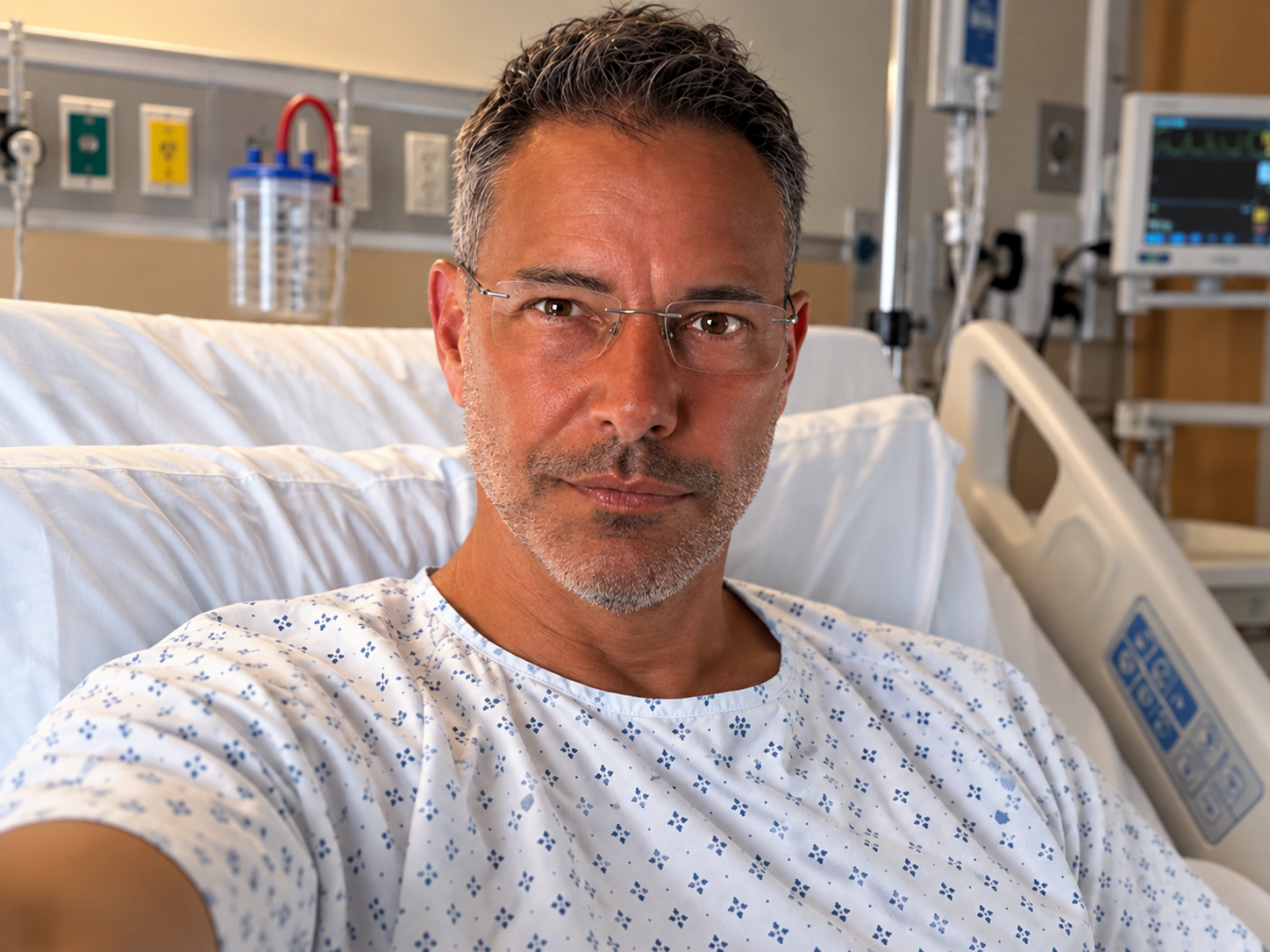
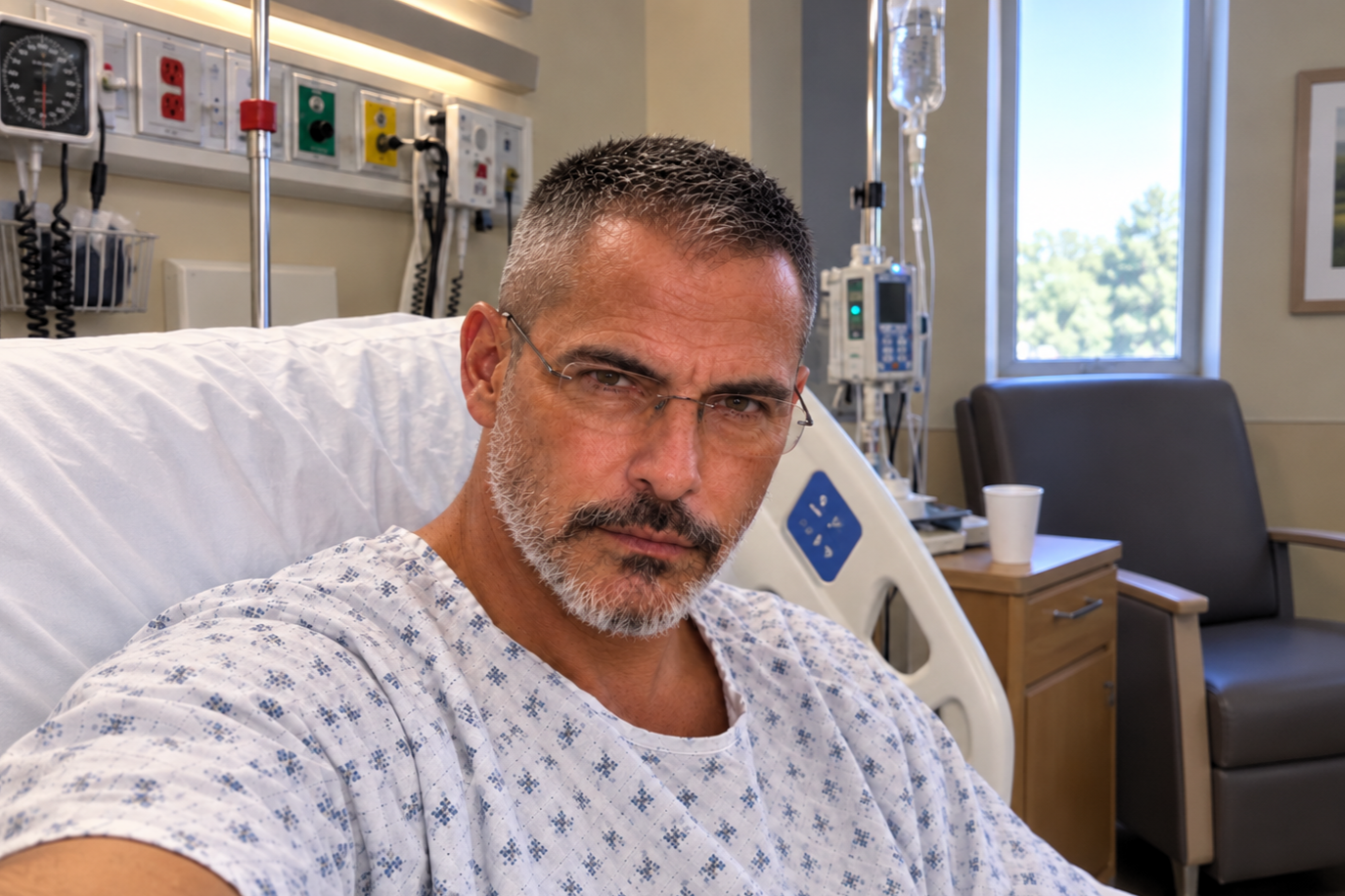
Joey Montes@jrm · Oct 18, 2026 Photo · Published update August 2026. In the hospital for my L4-L5 TLIF fusion surgery. Not how I imagined spending the summer, but this chapter reminded me to slow down, accept help, and take recovery one day at a time. Every small step matters. #Joey#TLIF#Recovery#Resilience#2026
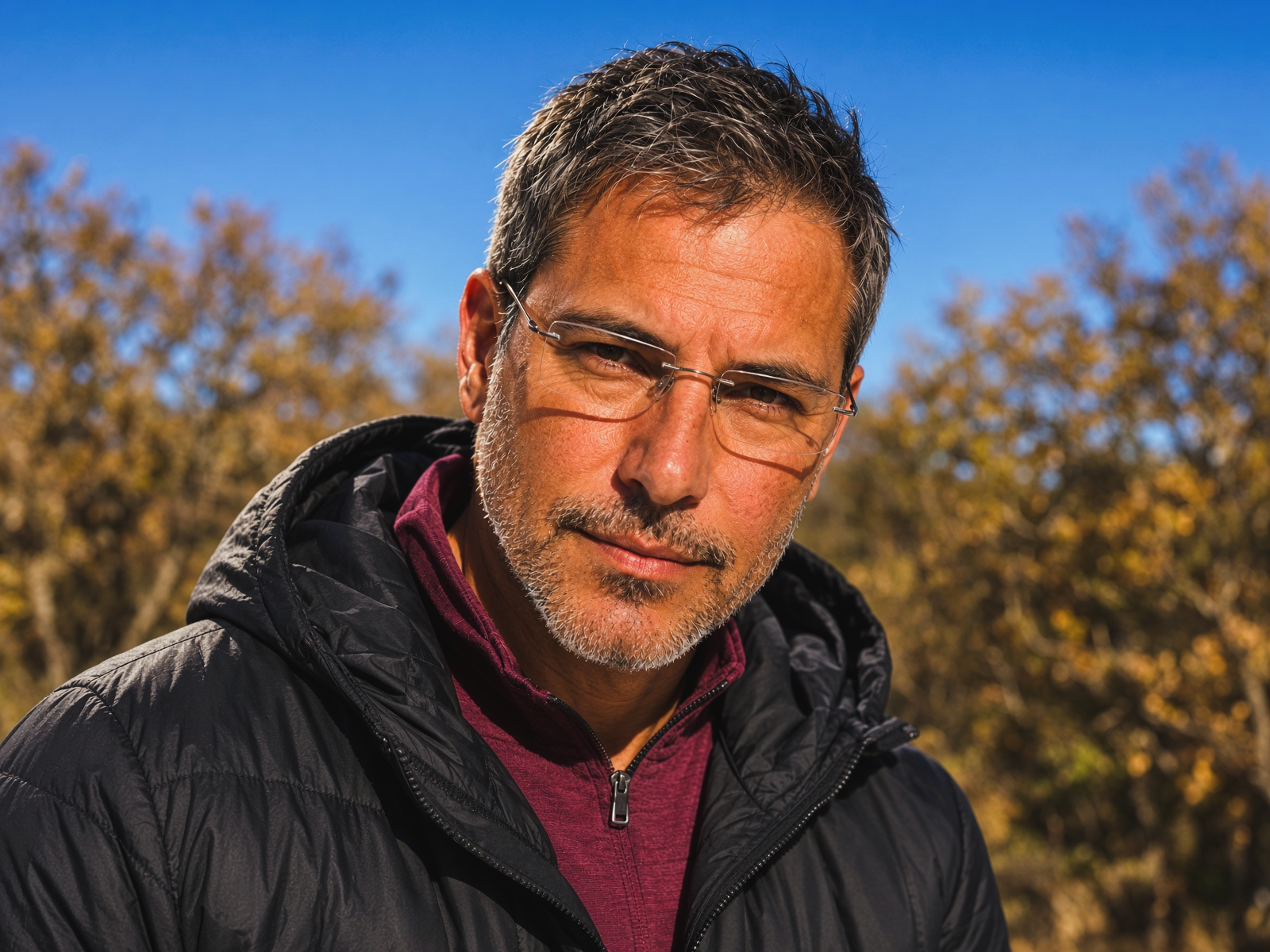
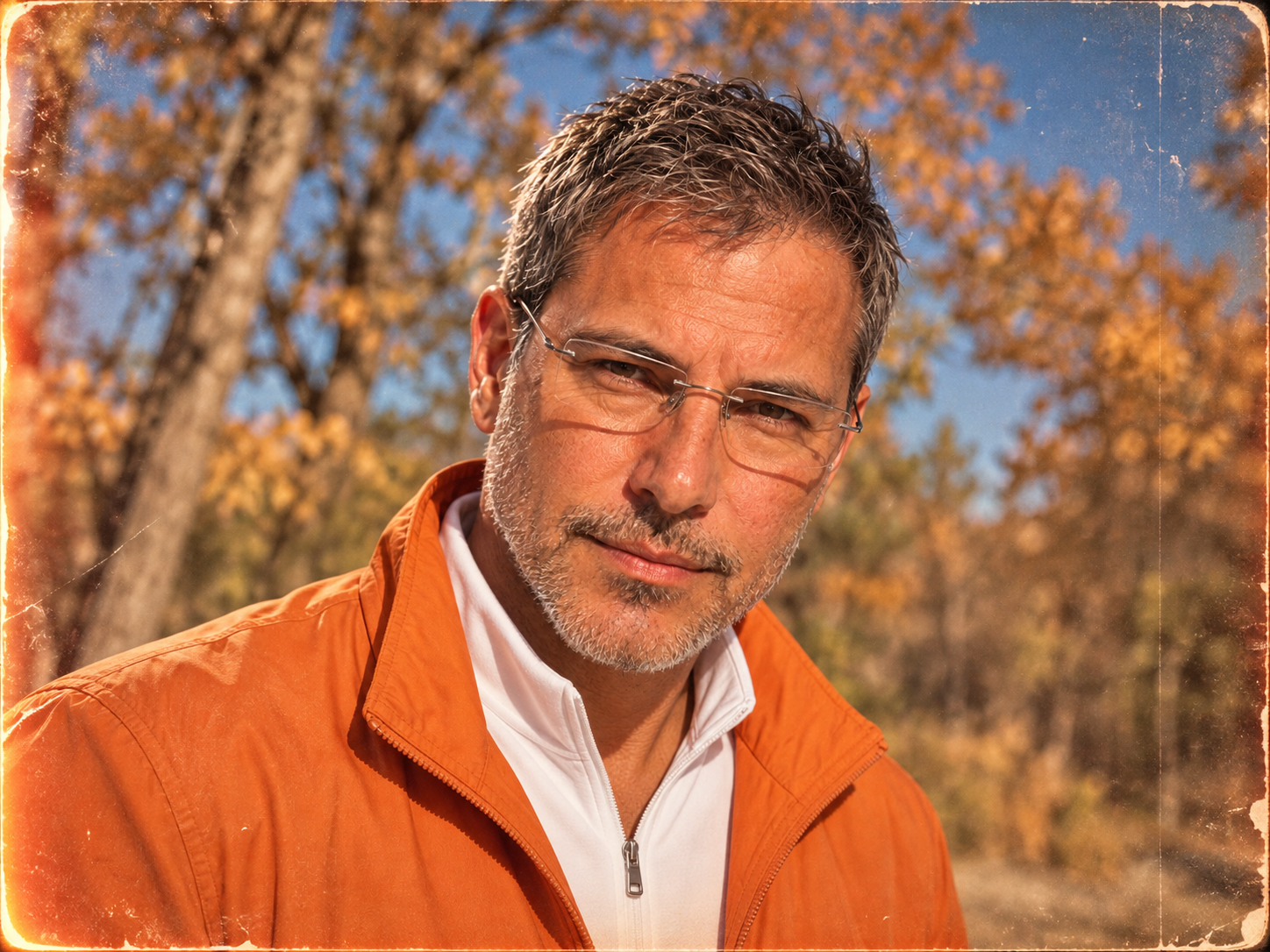
Joey Montes@jrm · Oct 18, 2026 Photo · Published update November 2021. Blue skies, autumn colors, and a little time to myself. Looking back at this photo, I'm reminded that the simplest days often leave the strongest memories. Just being present was enough. #Joey#Memories#Reflections#Autumn#FallColors
Joey Montes@jrm · Oct 18, 2026 Photo · Published update July 2016. Dawne and I, close together in the golden evening light. I look at this photo and remember how much those simple moments meant to me. Years later, her smile still brings me right back to a time I will always treasure. #Dawne#Joey#Love#Memories#2016
Joey Montes@jrm · Oct 18, 2026 Photo · Published update July 2016. Dawne and I, holding each other close in the warm evening light. I still see the happiness in her smile and remember how lucky I felt in that moment. Years may pass, but this is the kind of memory I will always keep. #Dawne#Joey#Love#Memories#2016
Joey Montes@jrm · Oct 18, 2026 Photo · Published update June 2016. I still love this photo of Dawne. Her smile, the warm light, and that look in her eyes bring me right back. Years have passed, but some moments never lose their meaning. I am grateful this one was captured. #Dawne#Love#Memories#2016#Portrait
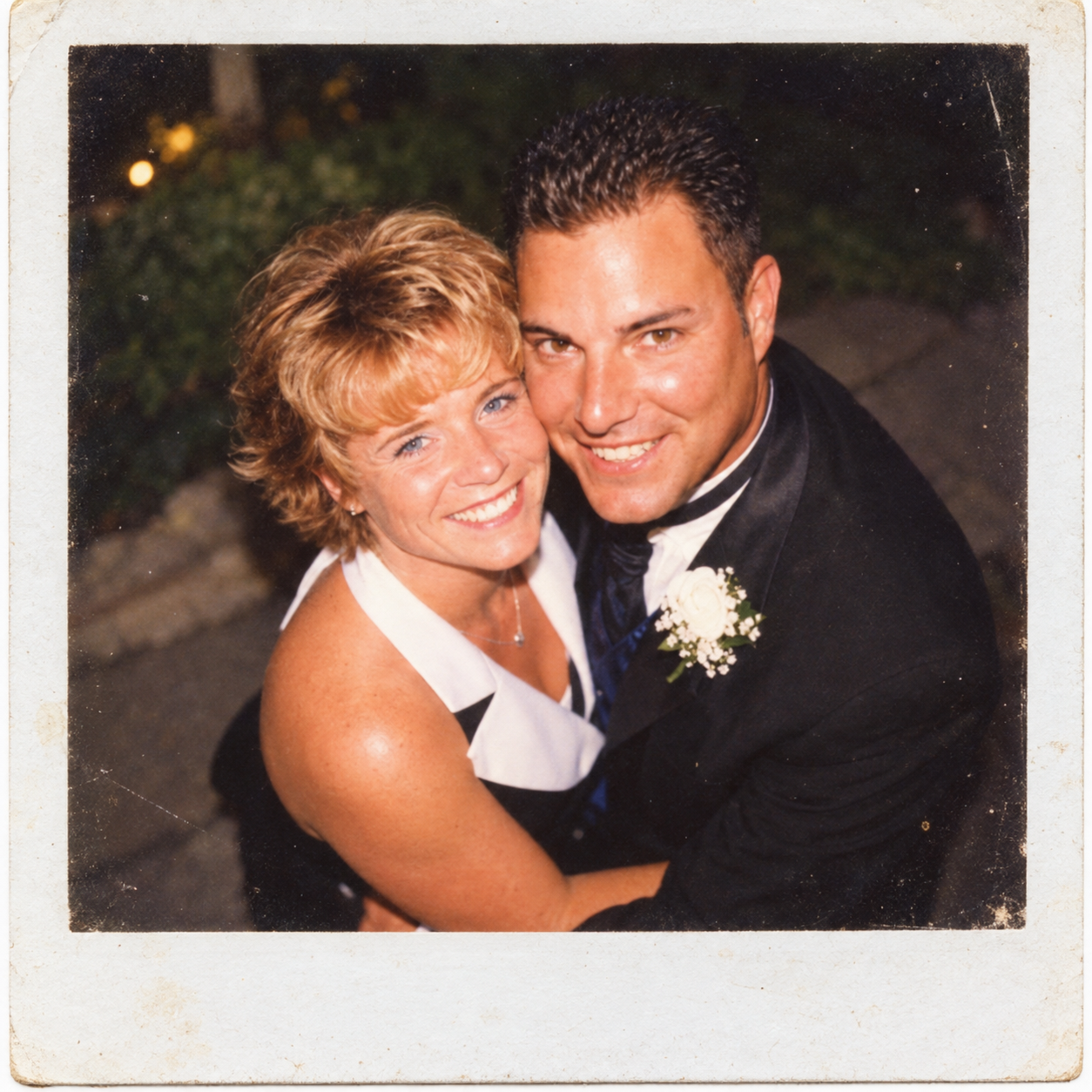
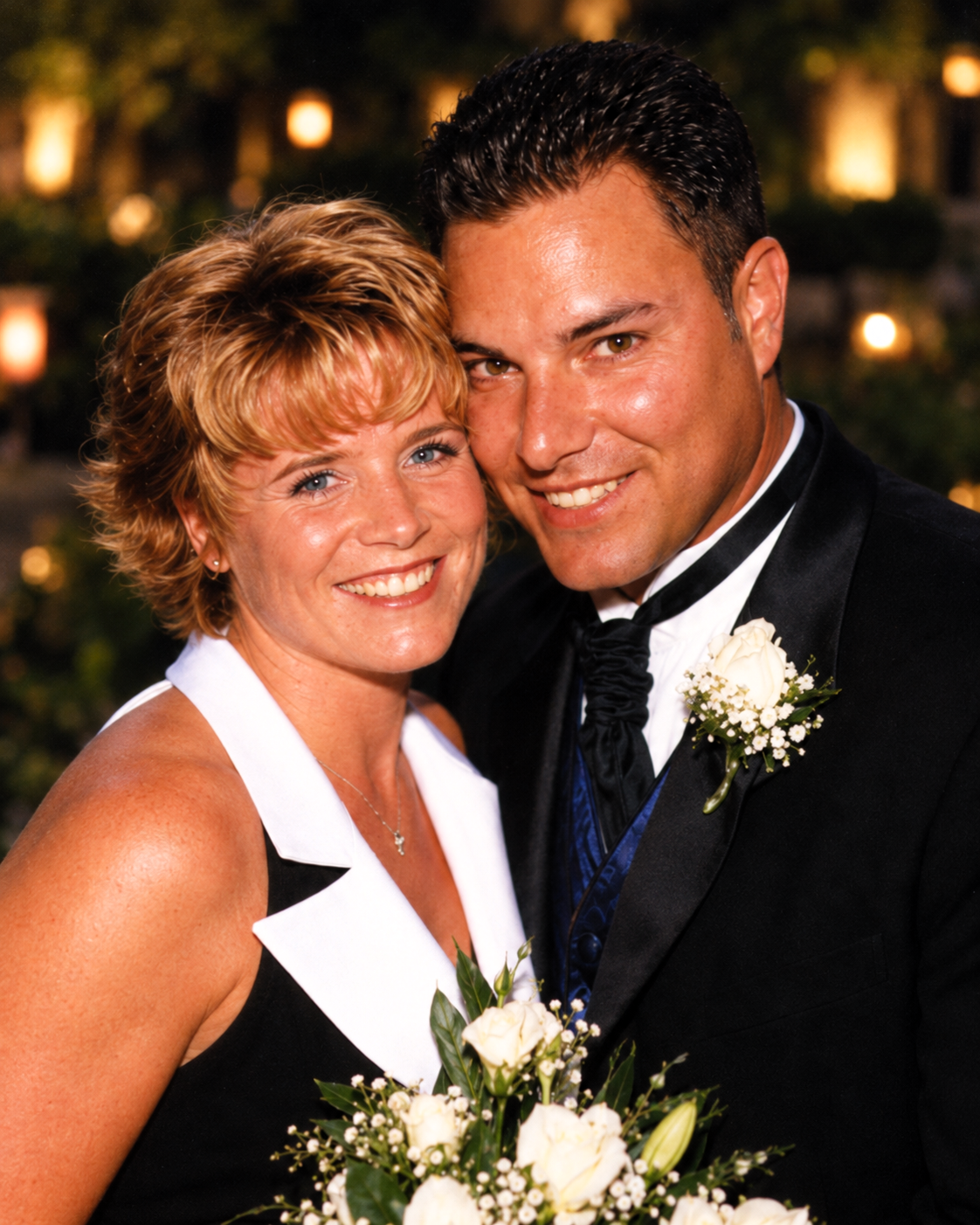
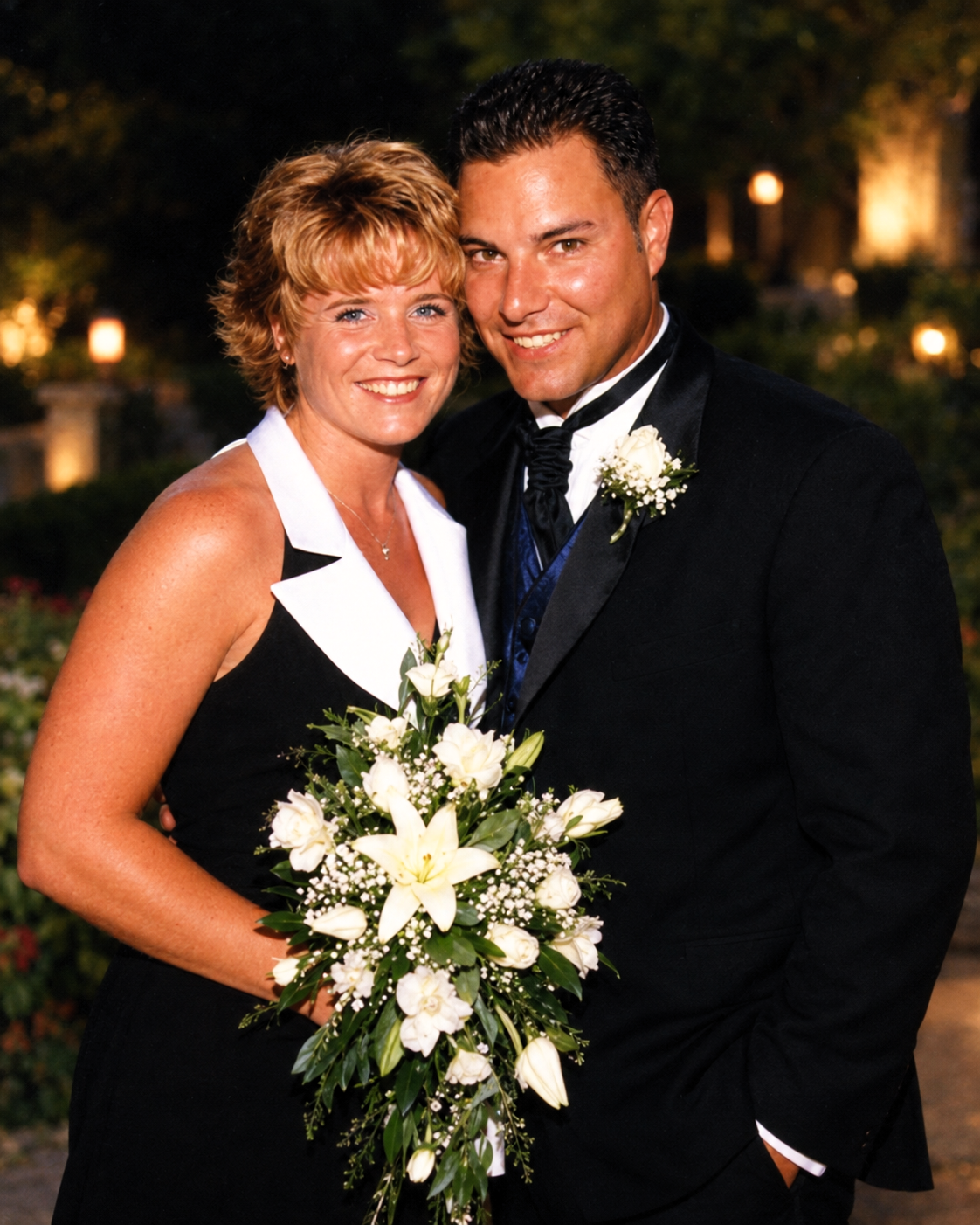
Joey Montes@jrm · Oct 18, 2026 Photo · Published update July 27, 2001. Three frames of Dawne and me, smiling under the evening lights. What I remember most isn't the camera or the flowers. It's how happy I was standing beside her. Some moments stay with you forever. #Dawne#Joey#Love#Memories#Together
Joey Montes@jrm · Oct 18, 2026 Photo · Published update July 27, 2001. Dawne and I, dressed up under the evening lights. One photo smiling together, the next catching that little glance between us. Twenty-five years later, I still treasure those moments. ❤️ #Dawne#Joey#Love#Memories#Together
Joey Montes@jrm · Oct 18, 2026 Photo · Published update July 27, 2001. Dawne and I, dressed up and smiling together. Four photos that take me straight back to that evening—the flowers, the laughter, and how lucky I felt standing beside her. Some memories never fade. ❤️ #Dawne#Joey#Love#Memories#Together
Joey Montes@jrm · Oct 18, 2026 Photo · Published update November 2020. Autumn colors, a little sunshine, and a moment worth keeping. Looking back at this photo, I’m reminded how much can change—and how the simplest memories can still bring me right back. 🍂 #Joey#Memories#2020#Reflections#Autumn
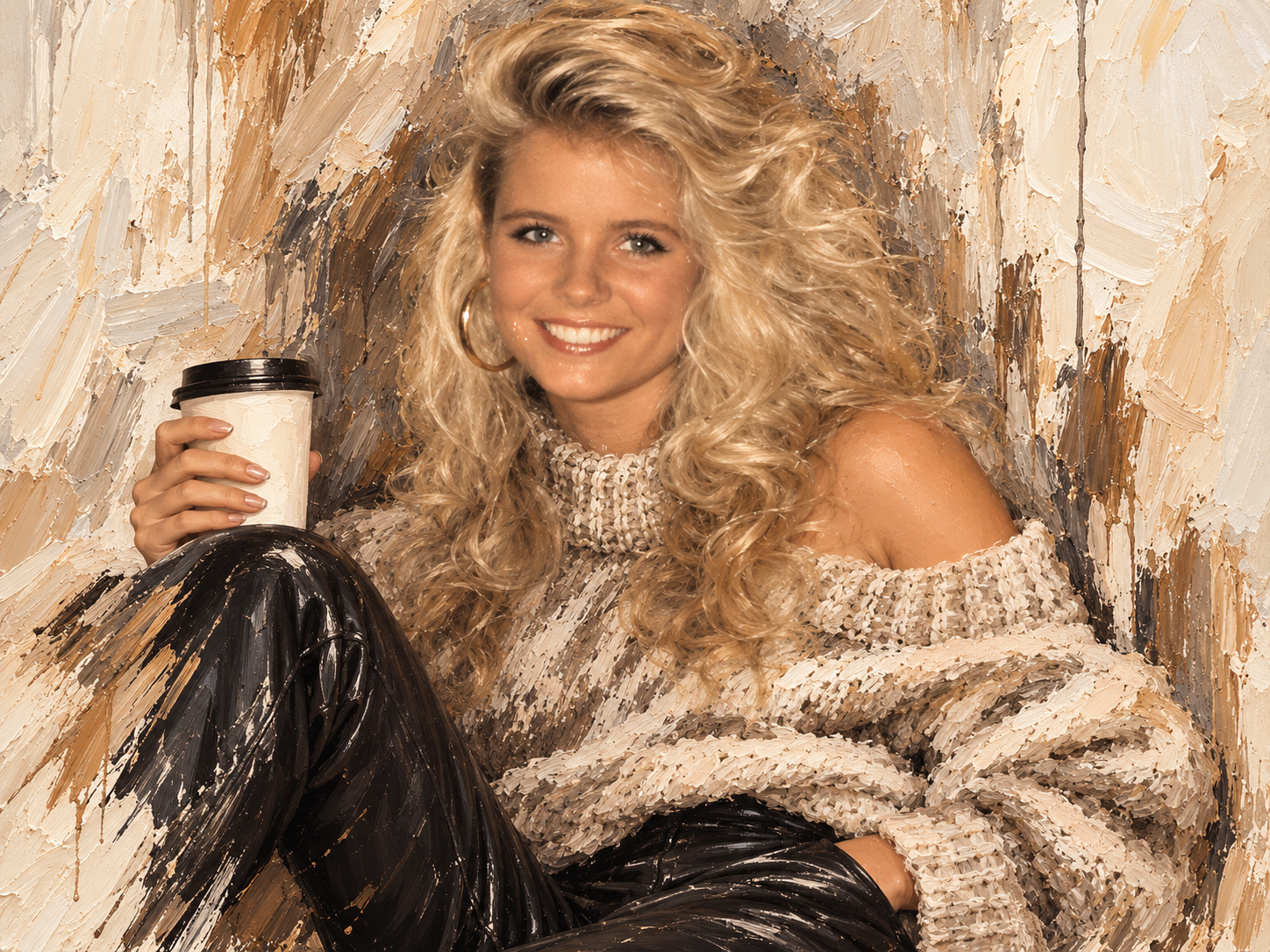
Joey Montes@jrm · Sep 28, 2026 Photo · Published update Dawne at 18, reimagined. Coffee in hand, that unforgettable smile. This isn't an old photograph, but it captures something I still carry with me. Time moves forward; love doesn't disappear. ❤️ #Dawne#Love#Memories#Portrait#ForeverLove
Joey Montes@jrm · Sep 28, 2026 Photo · Published update Two snapshots, one moment in time. 2026 has taught me to appreciate the little things, embrace the imperfections, and keep moving forward. No filters on life. Just me, one day at a time. 📸 #Joey#Memories#LIFE#2026#Portrait
Joey Montes@jrm · Sep 27, 2026 Video · Published update Summer 2025, on replay. Sunsets over the lake, bright lights, and moments I wish I could hold onto a little longer. Summer's over, but some memories refuse to fade. 🌅 #Joey#Memories#2025#LakeLife#Summer
Joey Montes@jrm · Sep 26, 2026 Photo · Published update Summer's over, and this photo takes me right back to 2025. Coffee in hand, feet up, and lake days moving at their own pace. Seasons change, but I'm grateful for the quiet moments that stay with me. ☕ #Joey#Memories#2025#Coffee#LakeLife
Joey Montes@jrm · Sep 23, 2026 Photo · Published update 2016. Dawne and me, just being us. I’d give anything for one more ordinary afternoon like this. Some photos don’t just capture a moment—they keep part of a life close. ❤️ #Dawne#jrm#Love#Memories#LIFE
Joey Montes@jrm · Sep 21, 2026 Photo · Published update I have spent a lot of time building this application, but somewhere along the way I realized I was building more than software. I was building a place for stories. The technology matters. The database matters. The architecture matters. The pages have to load, the links have to work, the publishing system has to be reliable, and the application has to be able to grow. But none of those things are the reason I kept working on it. The reason is much simpler. I wanted a place where people, ideas, photographs, experiences, and stories could remain connected. That idea is becoming the foundation of the new Wildwood. The application has grown from a collection of pages into a real publishing platform with distinct systems for short posts, long-form stories, articles, photography, contributors, search, discovery, and personal profiles. Behind it is the stack I have continued to work with and refine: ASP.NET Web Pages and Razor, SQL Server, stored procedures, structured… #jrm#Application Development#ASP.NET#Branding#Design
Joey Montes@jrm · Sep 21, 2026 Photo · Published update My stroke did not end when I left the hospital. That may be one of the hardest things to explain about surviving one. There is the emergency itself, and then there is everything that comes afterward—the work of figuring out what changed, what may improve, what still needs to be retrained, and what may simply become part of your new normal. I still live with lasting effects. There is weakness and stiffness on my left side. My left leg does not always move as naturally as it once did, and I have had to consciously retrain it to walk with a more normal gait. Something I spent most of my life doing without thinking can now require attention: how the leg swings forward, where the foot lands, whether I am compensating, and how fatigue changes my movement. My vision was affected too. That changes more than what I see. It changes how I move through an environment, how I judge what is around me, and how much concentration ordinary situations can require. There are also the things… #jrm#Recovery#Left Side Weakness#Neurological Recovery#Rehabilitation
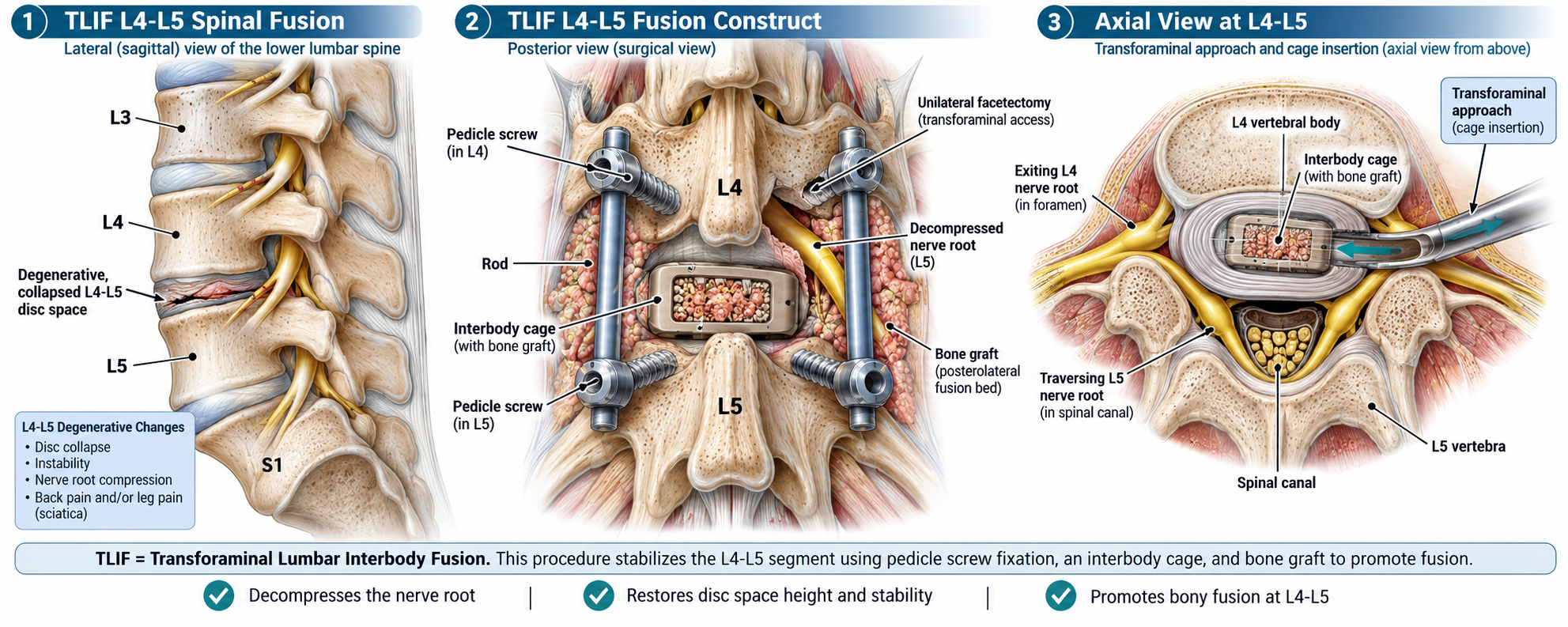
Joey Montes@jrm · Sep 18, 2026 Photo · Published update On August 4, 2026, I had a TLIF spinal fusion at L4-L5. TLIF stands for Transforaminal Lumbar Interbody Fusion. In simple terms, the procedure was performed to stabilize the L4-L5 level of my lower spine. The surgery involves placing an interbody cage and bone graft between the vertebrae, along with screws and rods that provide stability while the bones have time to fuse. Reading about spinal fusion is one thing. Going through it yourself is something entirely different. Surgery becomes a very real dividing line between what life looked like before the operation and what comes afterward. I am still moving through that process one day at a time. Recovery from spinal fusion is not measured by one dramatic moment. It is made up of smaller things: getting up, moving safely, rebuilding strength, being patient with the body, and understanding that healing continues long after the surgery itself is over. This photograph feels appropriate for this chapter of my life. There is nothi… #Joey#jrm#L4-L5#Spinal Fusion#Spine Surgery
Joey Montes@jrm · Sep 18, 2026 Photo · Published update I wanted to share this graphic because it gives a clear look at what happens during a TLIF at L4-L5. TLIF stands for Transforaminal Lumbar Interbody Fusion. The procedure is designed to stabilize the segment between the L4 and L5 vertebrae while also creating more room for compressed nerves. The first view shows the lower lumbar spine from the side and highlights a degenerative, collapsed L4-L5 disc space. Changes at this level can contribute to instability, nerve compression, back pain, and pain that travels into the leg. The second view shows the fusion construct from the back. Pedicle screws are placed into L4 and L5 and connected with rods to stabilize the segment. An interbody cage filled with bone graft is positioned between the vertebrae, while additional bone graft can be placed around the back of the spine to support fusion. The third view looks down at L4-L5 from above and shows the transforaminal approach. This pathway allows the surgeon to reach the disc space f… #jrm#Interbody Fusion#L4-L5#Lumbar Spine#Medical Illustration
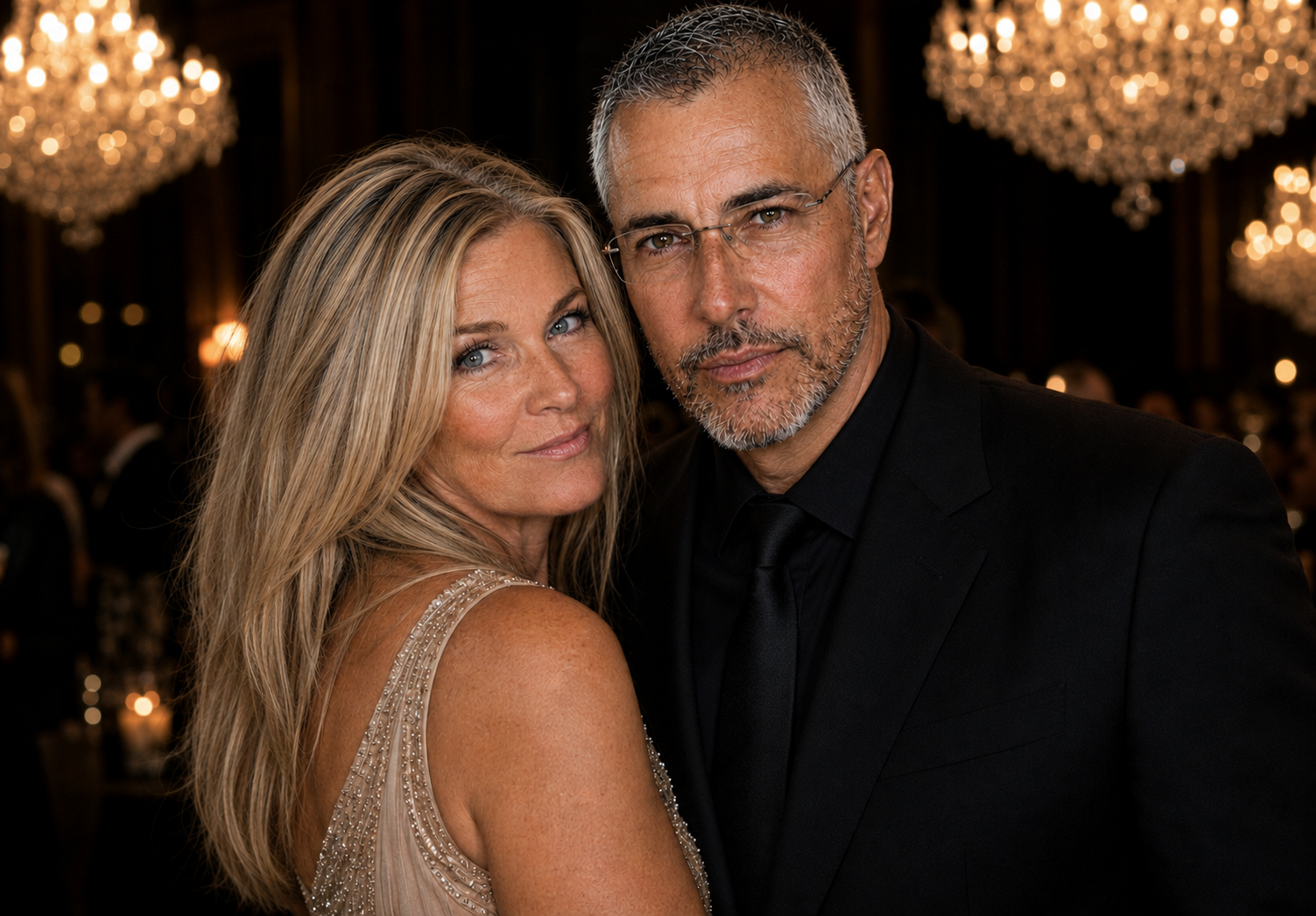
Joey Montes@jrm · Sep 18, 2026 Photo · Published update I have joked more than once that I outkicked my coverage with Dawne, and this photograph makes the case better than I ever could. We were dressed for a formal evening, standing beneath the warm light of crystal chandeliers, and somehow she still managed to make everything around her look secondary. Dawne has that kind of presence. She can walk into an elegant room without needing the room to announce her. I am standing beside her in a black suit trying to look like I belong there, while she looks completely at ease. That contrast makes me smile because it says something familiar about us. I have always felt fortunate to be the man standing next to her. There are photographs that document an event, and then there are photographs that preserve how you felt in the moment. This one does both. It reminds me of the pride, affection, and quiet disbelief I have always carried with me when it comes to Dawne. So yes, I outkicked my coverage. By a lot. #Black Tie#Dawne#Formal Event#Joey#jrm